
Case Study: Successful Cargo Transport Solutions for Small Businesses


Introduction
Small businesses often face unique challenges in transporting goods efficiently and cost-effectively. Finding a reliable cargo transport solution can significantly impact their bottom line. In this case study, we explore how innovative cargo transport solutions have successfully supported small businesses in optimizing their logistics.

Understanding the Challenges
Small businesses typically encounter several logistics challenges, including limited budgets, lack of access to advanced technologies, and fluctuating demand. These factors make it difficult for them to compete with larger enterprises that have dedicated logistics teams and resources.
Additionally, small businesses often deal with unpredictable shipping schedules and diverse product lines, further complicating their transport needs. Identifying a solution that addresses these issues is crucial for their growth and sustainability.
Solution Implementation
One of the key solutions that emerged for small businesses is the use of flexible shipping platforms. These platforms allow businesses to access a network of carriers, enabling them to choose the most efficient and cost-effective options for their specific needs. This flexibility is particularly beneficial for businesses with varying shipment sizes and frequencies.
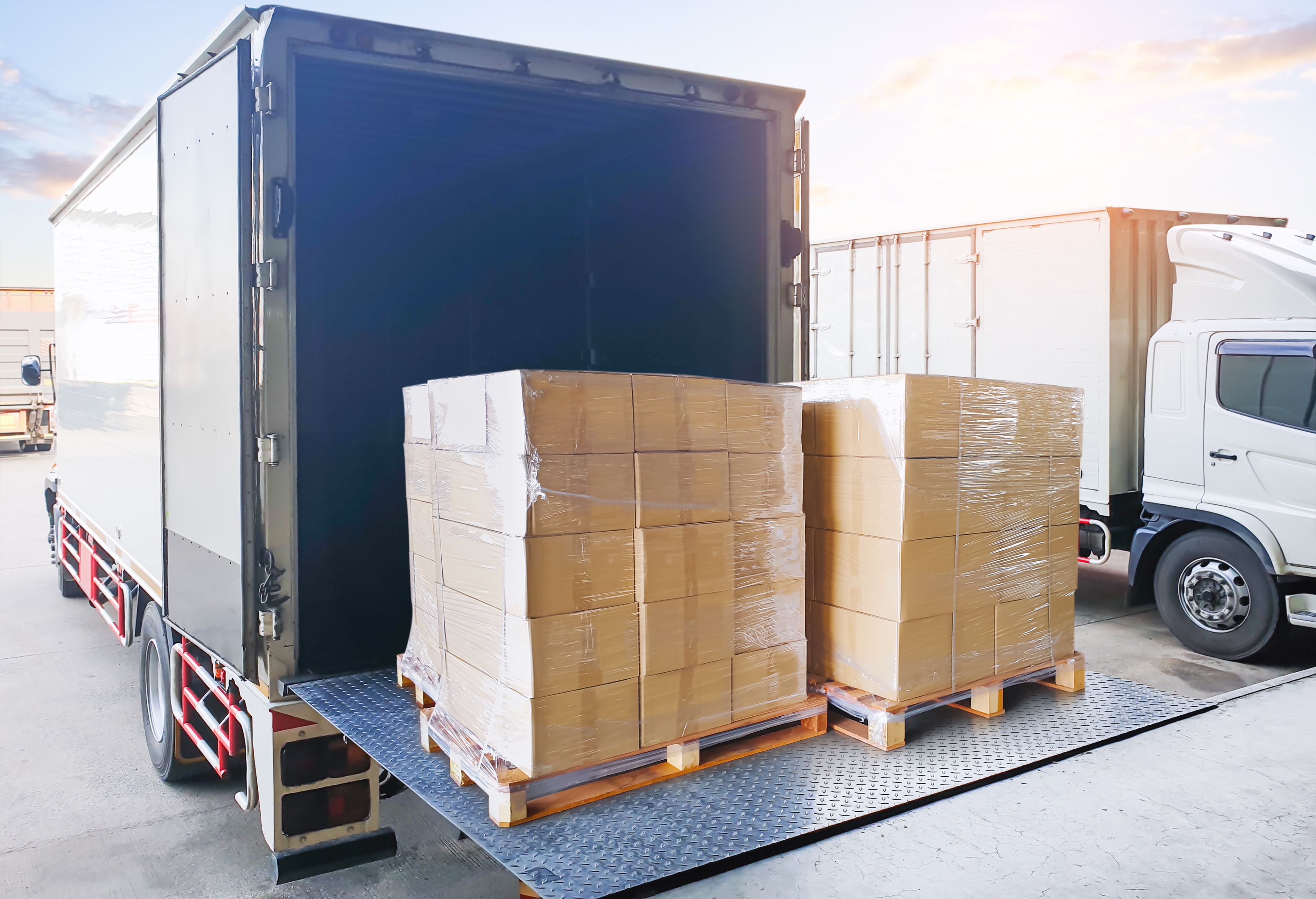
Moreover, the integration of technology, such as real-time tracking and automated notifications, has empowered small businesses to manage their logistics more effectively. By providing visibility into the shipping process, businesses can make informed decisions and improve customer satisfaction.
Case Study: A Local Artisan Bakery
A local artisan bakery faced significant challenges in distributing its products to nearby cafes and retailers. The bakery struggled with inconsistent delivery times and high transportation costs, impacting its ability to expand its customer base.
By adopting a flexible cargo transport platform, the bakery was able to select carriers that matched its specific delivery requirements. Additionally, the use of real-time tracking helped the bakery coordinate with its partners more efficiently, reducing delays and improving service reliability.

Results and Benefits
The implementation of these cargo transport solutions led to several positive outcomes for the bakery. Notably, they achieved a 20% reduction in transportation costs and a 30% improvement in delivery times. This not only enhanced their operational efficiency but also allowed them to reinvest savings into expanding their product line.
Other small businesses that have embraced similar solutions reported similar benefits, highlighting the importance of adopting adaptable and technology-driven logistics strategies.
Conclusion
In conclusion, small businesses can significantly benefit from innovative cargo transport solutions that provide flexibility, cost savings, and improved service quality. By leveraging technology and strategic partnerships, these businesses can overcome logistical challenges and position themselves for growth and success.
As the logistics landscape continues to evolve, it is crucial for small businesses to stay informed about new solutions and trends. Embracing change and innovation can lead to sustainable growth and a competitive edge in the market.