
Case Study: Successful Implementation of Cost-Effective Drayage Solutions


Introduction to Drayage Solutions
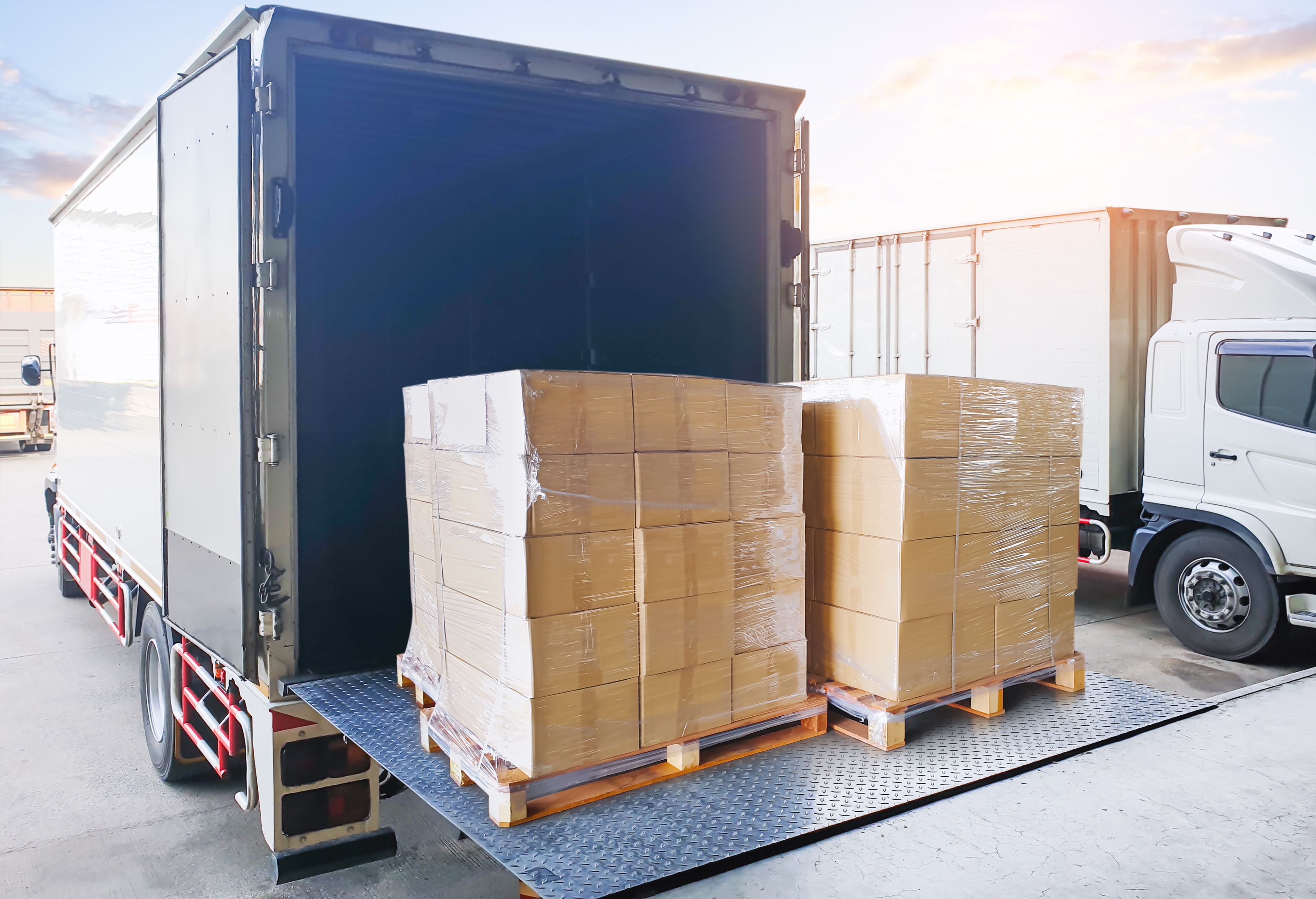
Drayage, a critical component of logistics and supply chain management, involves the transport of goods over short distances. Efficient drayage solutions can significantly impact the cost and effectiveness of supply chains. This case study explores a successful implementation of cost-effective drayage solutions that transformed a business's operational efficiency.
Identifying the Challenges
Before implementing new drayage solutions, the company faced several challenges, including high transportation costs, frequent delays, and inefficient routing. These issues led to increased operational expenses and customer dissatisfaction. The company needed a strategic overhaul to address these problems effectively.
Strategic Planning and Implementation
The first step in the implementation process was conducting a comprehensive analysis of the existing logistics framework. The company employed a team of logistics experts to identify inefficiencies and propose cost-effective solutions. Key strategies included:
- Optimizing routing and scheduling to minimize fuel consumption and transit times.
- Leveraging technology for real-time tracking and data analytics.
- Collaborating with local drayage carriers to ensure flexibility and reliability.
Technology Integration
Technology played a vital role in revolutionizing the company's drayage operations. By implementing advanced GPS tracking systems and data analytics tools, the company gained real-time visibility into their fleet operations. This integration enabled proactive decision-making, reduced idle times, and improved overall efficiency.
Cost Savings and Efficiency Gains
The implementation of these drayage solutions resulted in significant cost savings. The company reported a 20% reduction in transportation costs within the first year. Additionally, the streamlined processes led to faster delivery times, enhancing customer satisfaction and loyalty.

Environmental Impact
Beyond cost savings, the new drayage solutions contributed to a positive environmental impact. By optimizing routes and reducing fuel consumption, the company achieved a considerable reduction in carbon emissions. This aligns with growing industry trends towards sustainable logistics practices.
Conclusion
The successful implementation of cost-effective drayage solutions demonstrates the power of strategic planning and technology integration. By addressing logistical challenges head-on, the company not only improved its bottom line but also enhanced customer satisfaction and environmental sustainability. This case study serves as a blueprint for other businesses seeking similar transformations in their logistics operations.