
Common Misconceptions About Cost-Effective Drayage Options


Understanding Drayage and Its Importance
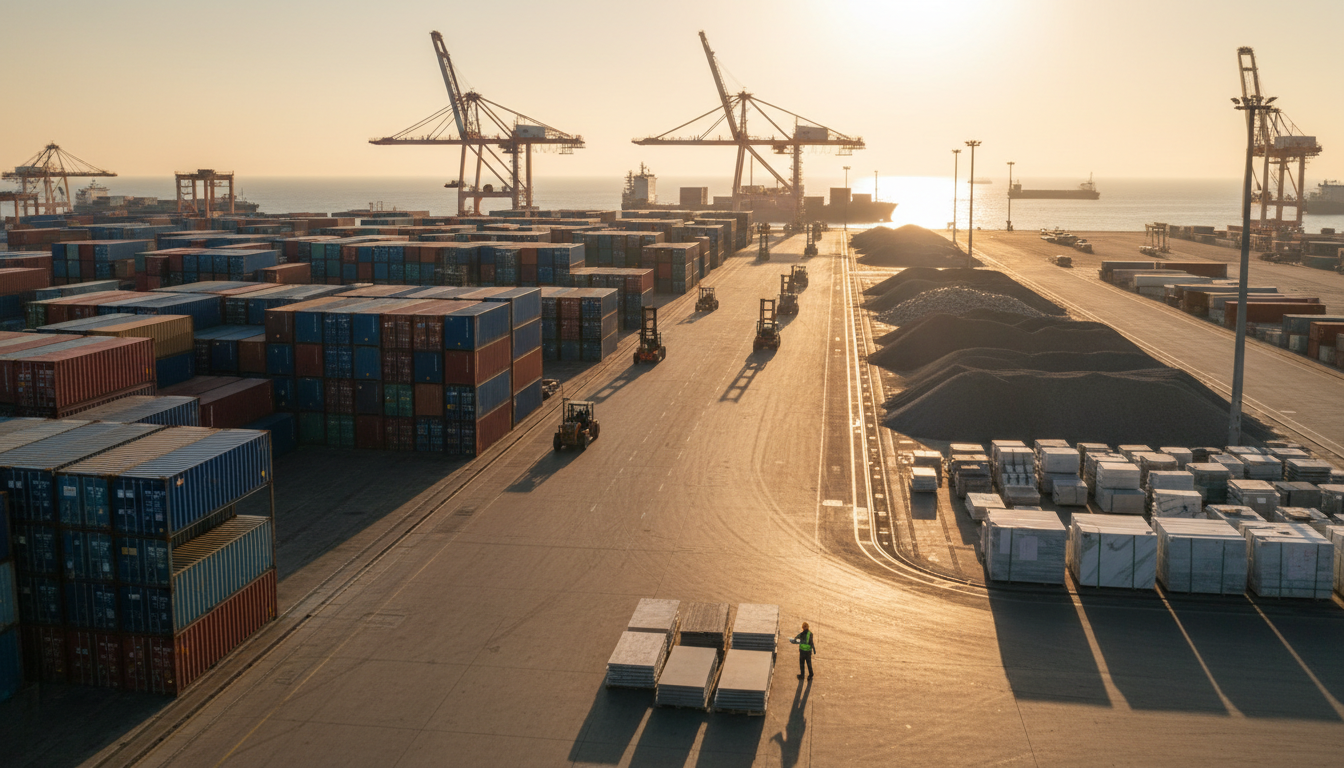
Drayage is a crucial component of the supply chain, involving the transportation of goods over short distances. It typically connects major transportation hubs, such as ports, rail terminals, and warehouses. Despite its importance, there are numerous misconceptions about cost-effective drayage options that can lead to confusion and inefficiencies in logistics planning.
Misconception 1: Cost Savings Mean Compromising Quality
One common misconception is that choosing cost-effective drayage options means sacrificing service quality. In reality, many logistics providers offer affordable solutions without compromising reliability. They achieve this by optimizing routes, utilizing technology, and maintaining strong relationships with local carriers.
By focusing on efficiency and leveraging technology, companies can provide both cost savings and high-quality service. It's important to research and select providers that emphasize these aspects.
Misconception 2: All Drayage Providers Are the Same
Another misconception is that all drayage providers offer similar services and pricing. In truth, there can be significant differences in terms of service quality, flexibility, and cost-effectiveness. It's essential to evaluate potential providers based on their track record, customer reviews, and specific service offerings.
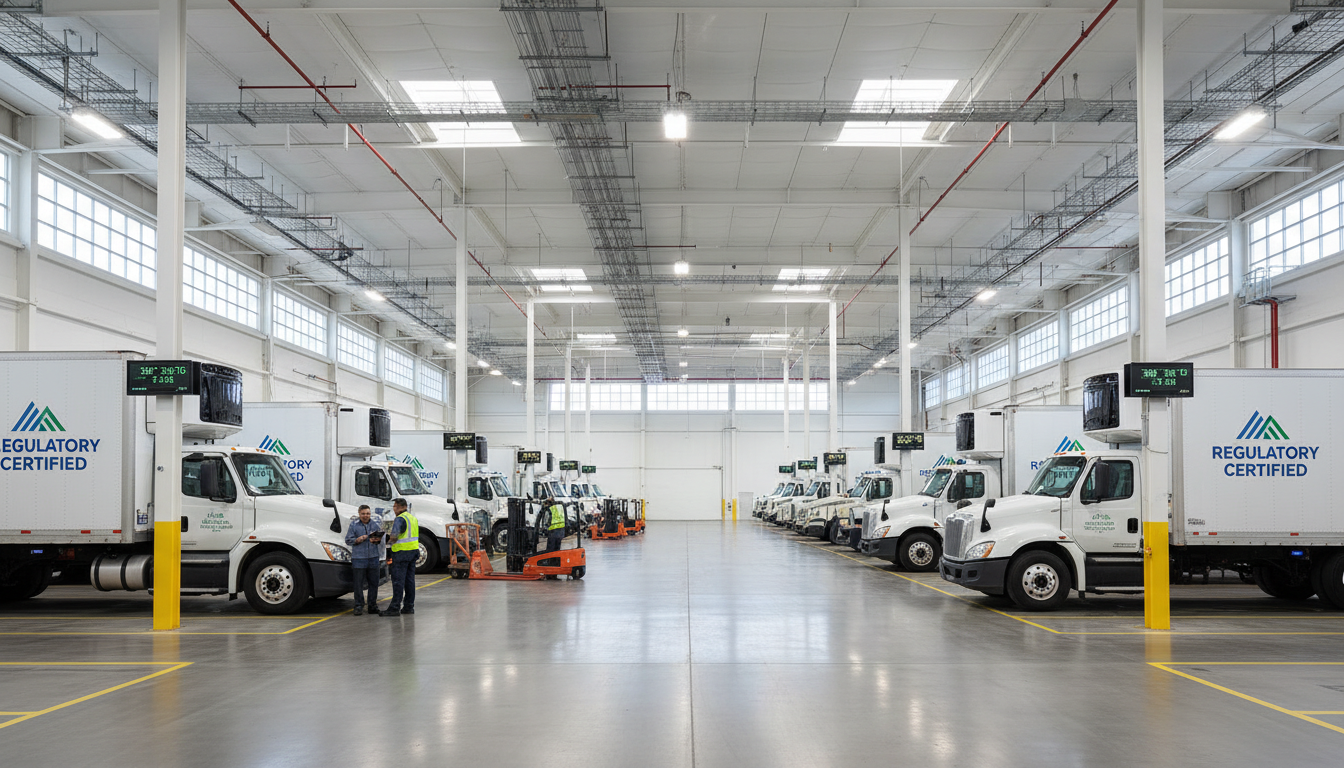
Consider factors such as their ability to handle peak times, responsiveness to issues, and the technology they use for tracking and communication. These elements can greatly impact the efficiency and cost-effectiveness of the service.
Misconception 3: Drayage Costs Are Fixed and Unchangeable
Many believe that drayage costs are fixed and cannot be negotiated. However, costs can vary based on several factors, including distance, cargo type, and market conditions. Engaging in discussions with providers can often reveal opportunities for discounts or tailored solutions that better fit your budget.
- Distance: Shorter routes may incur lower costs.
- Volume: Higher volumes might qualify for bulk discounts.
- Flexibility: Being flexible with delivery times can reduce costs.

Misconception 4: Technology Doesn't Impact Cost-Effectiveness
Some businesses underestimate the role of technology in drayage operations. Advanced tracking systems, automated scheduling, and real-time communication tools enhance efficiency and reduce costs. Providers that invest in technology are often able to offer more competitive rates.
Leveraging technology can also provide better transparency and improve customer satisfaction, making it a crucial factor in selecting a drayage provider.
Conclusion
Understanding these common misconceptions about cost-effective drayage options can lead to better decision-making and improved logistics strategies. By selecting the right provider and leveraging technology, businesses can achieve significant cost savings while maintaining high service quality. It's essential to stay informed and proactive in exploring drayage solutions that align with your operational needs and budget.