
Common Myths About Holiday Logistics Planning Debunked


Understanding the Myths Around Holiday Logistics
As the holiday season approaches, businesses often find themselves in a frenzy trying to manage logistics efficiently. Unfortunately, several myths surrounding holiday logistics planning can lead to confusion and inefficiency. In this post, we aim to debunk some of these common misconceptions to help your business navigate the holiday rush smoothly.
The first myth is that holiday logistics planning is only necessary for large companies. In reality, businesses of all sizes need to prepare for the holiday season. Small and medium-sized enterprises (SMEs) can benefit significantly from early planning, ensuring they meet customer demands and capitalize on the busiest shopping period of the year.
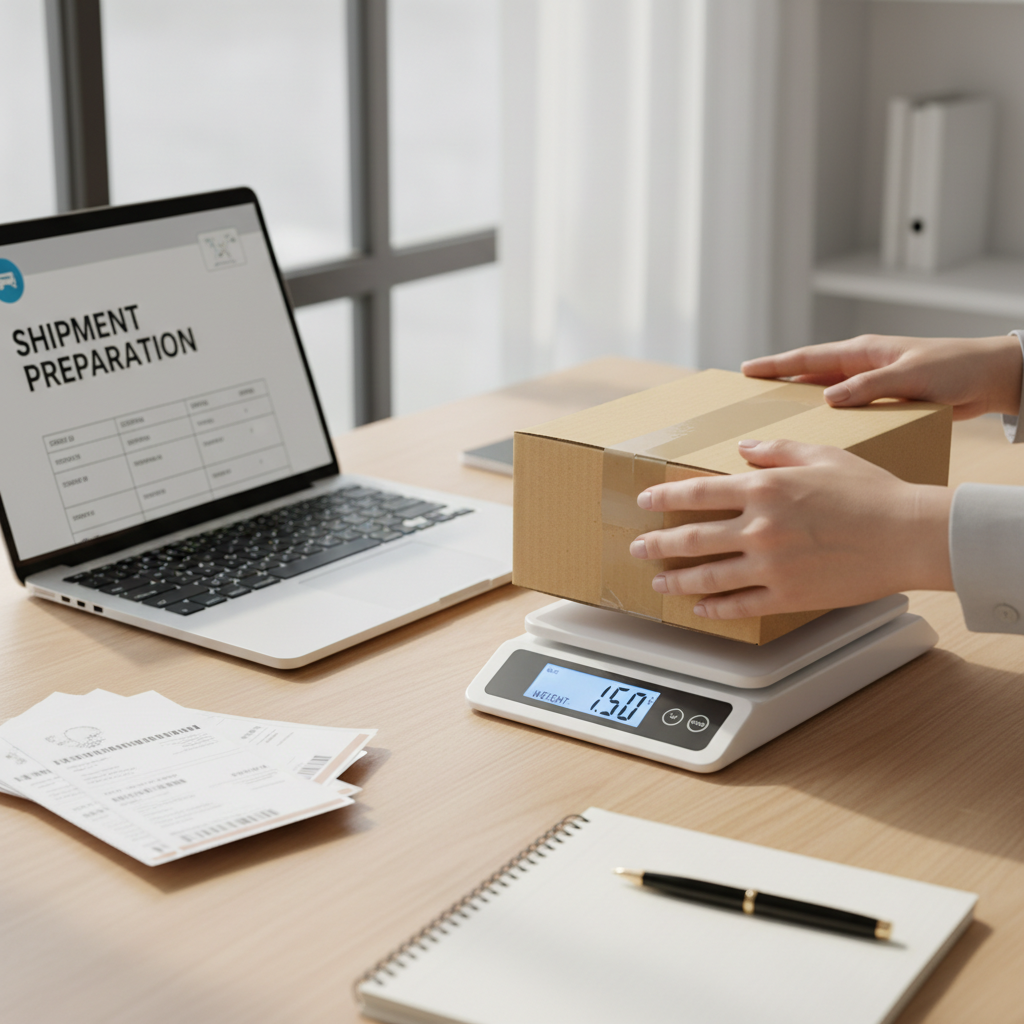
Myth 1: Technology Isn’t Necessary
Some businesses believe that traditional methods of logistics planning are sufficient. However, in today's fast-paced world, leveraging technology is crucial. Utilizing logistics software can streamline operations, improve accuracy, and provide real-time tracking, which is invaluable during the hectic holiday season.
Moreover, technology can help in forecasting demand, managing inventory, and optimizing delivery routes. This not only saves time but also reduces costs, allowing businesses to allocate resources more effectively.

Myth 2: Extra Inventory Solves All Problems
A common misconception is that stocking up on extra inventory will prevent holiday shortages. While having additional stock can be beneficial, it is not a foolproof solution. Excess inventory can lead to higher storage costs and increased waste if products do not sell as anticipated.
Instead, focus on accurate demand forecasting and flexible supply chain strategies to respond to real-time changes in customer demand. This approach reduces the risks associated with overstocking and ensures a more agile response to market trends.

Myth 3: Shipping Costs Are Unavoidable
Many businesses assume that high shipping costs are just part of the holiday logistics burden. However, by negotiating with carriers and exploring different shipping options, businesses can often reduce these costs. Consider offering incentives for customers who choose longer delivery times, helping to spread demand and lower shipping expenses.
Additionally, investing in partnerships with reliable local carriers can enhance delivery efficiency and customer satisfaction, while potentially lowering overall costs.

Myth 4: Customer Expectations Are Unrealistic
Some businesses believe that meeting customer expectations during the holidays is impossible. However, clear communication and transparency can go a long way in managing these expectations. Provide accurate delivery timelines and keep customers informed of any potential delays.
Offering excellent customer service and easy return policies can also enhance the customer experience, fostering loyalty even if issues arise.

Conclusion: Busting Myths for Better Planning
Debunking these myths is crucial for effective holiday logistics planning. By understanding the realities of logistics and embracing modern solutions, businesses can improve their operations and customer satisfaction during the holiday season. Remember, preparation and flexibility are key to a successful holiday logistics strategy.