
Debunking Common Myths About Intermodal Logistics


Understanding Intermodal Logistics
Intermodal logistics is an essential component of global trade, yet it often comes with a host of misconceptions. By using multiple modes of transportation, such as ships, trains, and trucks, intermodal logistics provides a flexible and efficient way to move goods. Let's debunk some of the common myths that surround this vital logistics method.
At its core, intermodal logistics leverages the strengths of different transportation modes to optimize the supply chain. However, several myths persist, often due to a lack of understanding of how this system operates. By dispelling these myths, businesses can better appreciate the benefits of intermodal logistics.

Myth 1: Intermodal Is More Expensive
One of the most prevalent myths is that intermodal logistics is more costly than other forms of transportation. While it may seem that using multiple modes would drive up costs, intermodal logistics can actually be more cost-effective. By optimizing routes and utilizing the most efficient modes of transport, businesses can reduce shipping costs significantly.
Moreover, intermodal logistics often involves long-haul rail transport, which is generally cheaper than road transport over long distances. Companies can enjoy cost savings by leveraging the economies of scale offered by railways.
Myth 2: Intermodal Is Slower
Another common misconception is that intermodal logistics is slower than traditional methods. While it is true that intermodal transport involves multiple transfers, modern logistics technology has streamlined these processes, ensuring minimal delays. With the right planning, intermodal transport can be as fast, if not faster, than other methods.

Additionally, intermodal logistics benefits from priority scheduling and dedicated routes for rail and maritime shipping, which can lead to faster overall transit times. This is particularly true for long-distance shipments where rail and sea transport offer significant speed advantages.
Myth 3: Intermodal Lacks Flexibility
Some believe that intermodal logistics is inflexible and unable to adapt to changing needs. In reality, intermodal logistics provides remarkable flexibility. By combining different modes of transport, businesses can quickly adapt to disruptions or changes in demand.
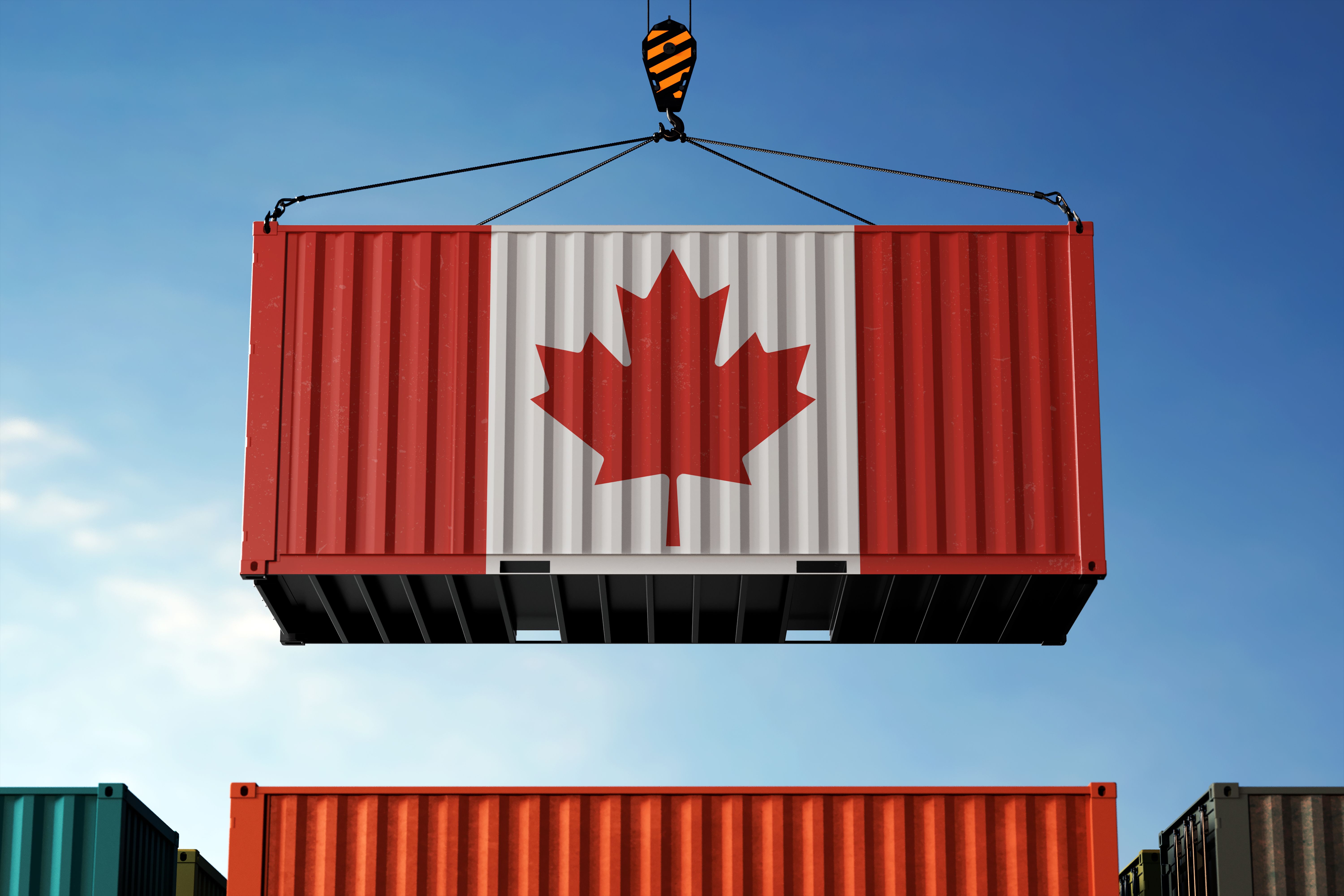
The use of standardized containers also enhances flexibility, allowing for easy transfers between modes and reducing handling times. This adaptability is crucial in today’s fast-paced market environments.
The Environmental Impact of Intermodal Logistics
A lesser-known advantage of intermodal logistics is its positive environmental impact. By using rail and sea transport, which are more environmentally friendly than road transport, intermodal logistics reduces the carbon footprint of shipments. This eco-friendly approach is increasingly important as businesses strive to meet sustainability goals.
Intermodal logistics not only meets the demands of efficient transport but also aligns with global sustainability efforts, providing an added incentive for businesses to adopt this method.
Conclusion: Embracing Intermodal Logistics
By debunking these common myths, it's clear that intermodal logistics offers numerous advantages that can benefit businesses of all sizes. From cost savings to flexibility and environmental benefits, intermodal logistics is a smart choice for modern supply chains. Understanding the realities of this transportation method allows companies to make informed decisions that support their operational and strategic goals.