
FAQ: Understanding Warehousing and Distribution for Small Businesses


Introduction to Warehousing and Distribution
Understanding warehousing and distribution is crucial for small businesses aiming to streamline operations and improve efficiency. This FAQ will provide insights into these essential components of the supply chain, helping you make informed decisions for your business growth.
What is Warehousing?
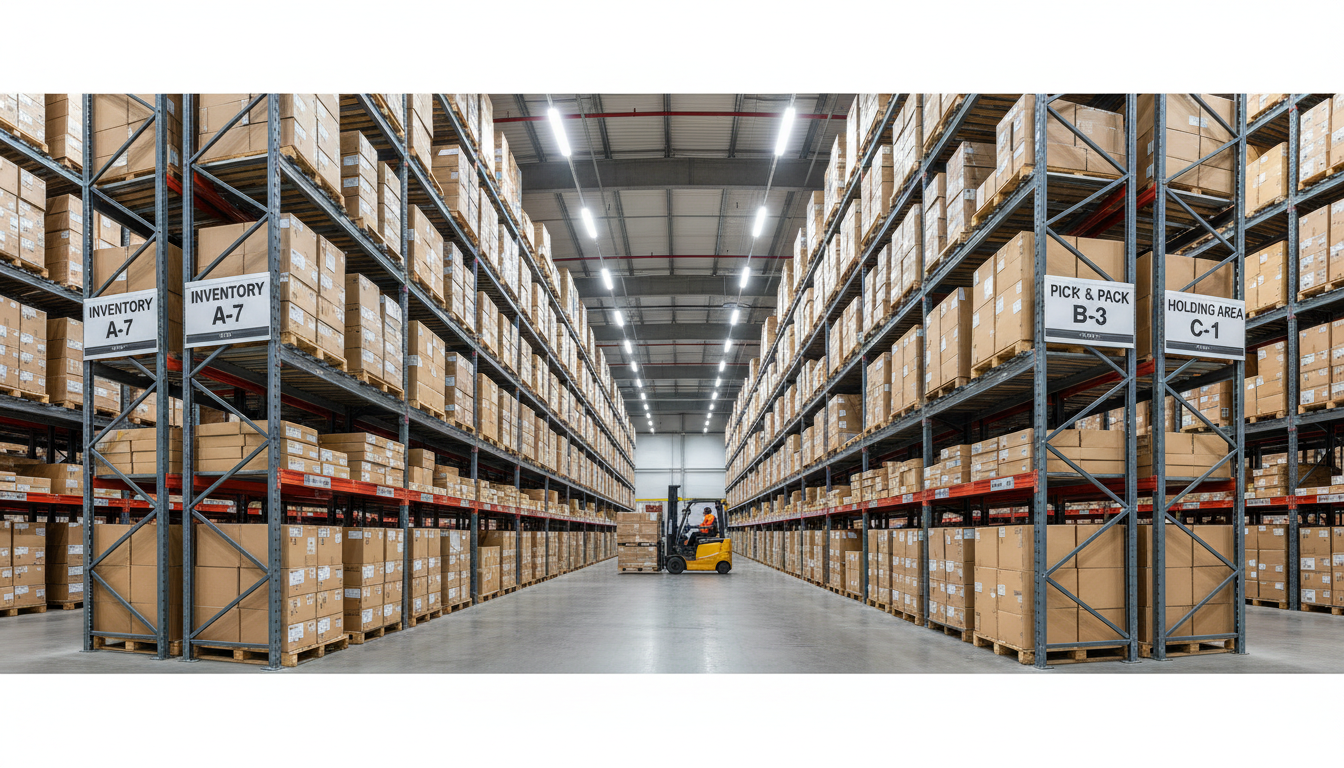
Warehousing refers to the process of storing goods that are intended for sale or distribution. It involves the safe and secure storage of products in a designated facility, ensuring they are organized and accessible for future use. Proper warehousing can significantly enhance your business operations by reducing delays and improving inventory management.
Types of Warehousing
There are several types of warehousing options available for small businesses:
- Private Warehousing: Owned and operated by the business itself, offering complete control over operations.
- Public Warehousing: Rented space in a facility that serves multiple clients, ideal for businesses with fluctuating storage needs.
- Bonded Warehousing: A secure facility where imported goods can be stored without immediate payment of duties.
Understanding Distribution
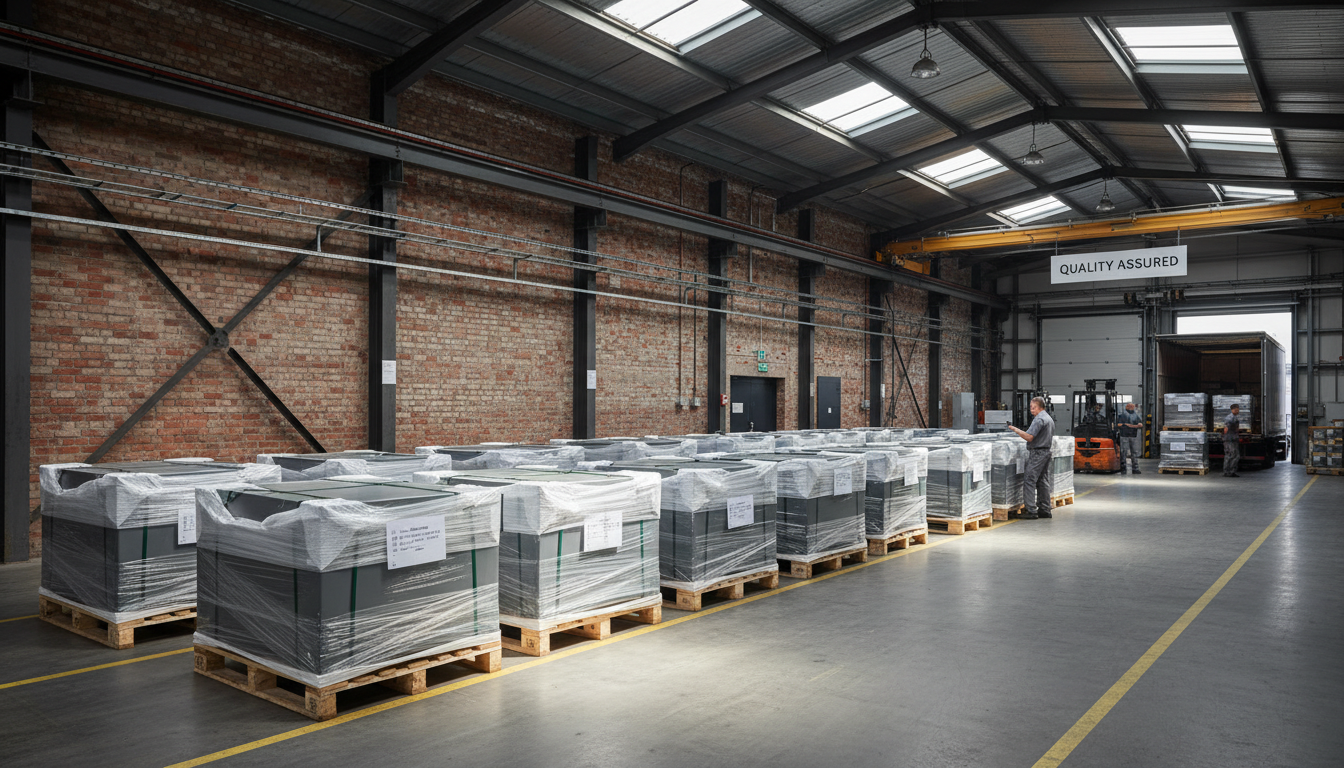
Distribution is the process of transporting goods from the warehouse to the end customer. Effective distribution strategies ensure timely delivery and customer satisfaction. Selecting the right distribution method depends on several factors, including product type, customer location, and budget.
Distribution Channels
Common distribution channels for small businesses include:
- Direct Distribution: Selling products directly to consumers without intermediaries.
- Indirect Distribution: Using intermediaries like wholesalers or retailers to reach customers.
- Omnichannel Distribution: A blend of online and offline channels to provide a seamless customer experience.

Benefits of Efficient Warehousing and Distribution
Implementing efficient warehousing and distribution systems offers numerous benefits, including:
- Cost Savings: Reducing storage and transportation costs through optimized logistics.
- Improved Customer Satisfaction: Faster delivery times and accurate order fulfillment.
- Enhanced Inventory Management: Better tracking and control of stock levels.
Challenges and Solutions
Small businesses often face challenges in warehousing and distribution, such as limited resources and fluctuating demand. To address these issues, consider:
- Outsourcing: Partnering with third-party logistics providers to handle warehousing and distribution tasks.
- Technology Integration: Using software solutions for inventory tracking and supply chain management.
- Scalability: Choosing flexible warehousing options that can grow with your business.
Conclusion
Understanding the basics of warehousing and distribution is essential for small businesses aiming to enhance their operational efficiency. By selecting the right strategies and solutions, you can ensure that your products reach customers promptly and cost-effectively. Stay informed and adapt to changing market demands to maintain a competitive edge in your industry.