
How Intermodal Logistics Can Save Your Business Time and Money


Understanding Intermodal Logistics
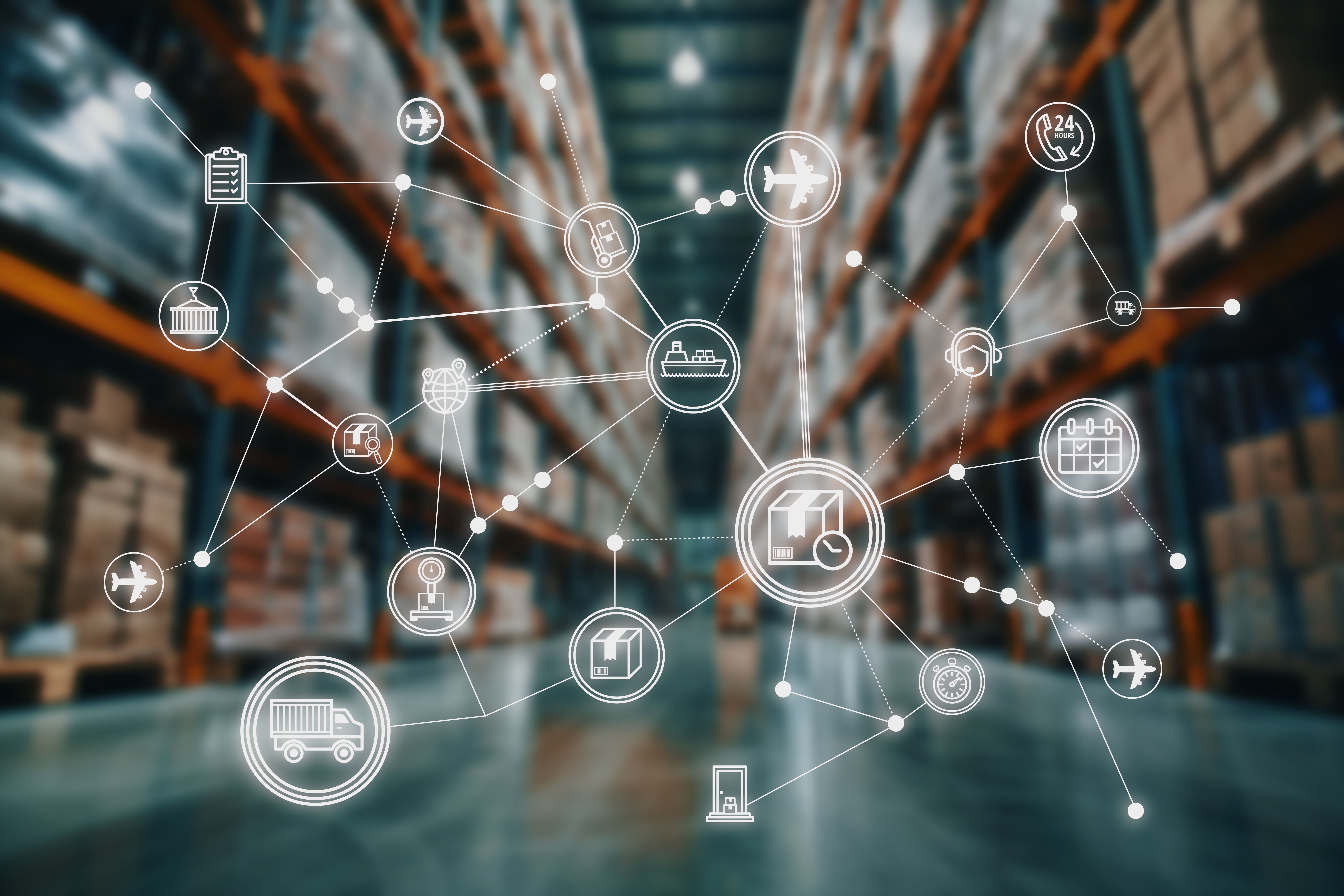
Intermodal logistics is a method of transporting goods that involves multiple modes of transportation, such as rail, truck, and ship. This approach allows businesses to optimize the strengths of each mode, making logistics more efficient and cost-effective. By integrating various transportation methods, companies can create a seamless supply chain that saves both time and money.
The key to successful intermodal logistics lies in the coordination between different transportation providers and the use of technology to track shipments. With the right strategy, businesses can benefit from reduced shipping times and lower costs.

Cost Savings Through Intermodal Logistics
One of the most significant advantages of intermodal logistics is cost savings. By leveraging the strengths of each transportation mode, businesses can reduce expenses associated with fuel, labor, and equipment. For example, using rail for the long-haul portion of a shipment can be more economical than relying solely on trucks.
Additionally, intermodal logistics can help businesses avoid the high costs associated with last-minute shipping by providing more predictable delivery schedules. This predictability allows companies to plan better and minimize expenses related to expedited shipping.

Time Efficiency and Reliability
In today's fast-paced market, time efficiency is crucial. Intermodal logistics provides businesses with the ability to optimize delivery routes and schedules, ensuring timely arrivals. By using the most efficient mode of transport for each leg of the journey, companies can significantly reduce transit times.
Moreover, intermodal logistics offers enhanced reliability. With multiple transportation options, businesses can quickly adapt to disruptions such as traffic congestion or weather-related delays. This flexibility ensures that goods arrive on time, maintaining customer satisfaction and trust.
Environmental Benefits
Intermodal logistics is not only beneficial for businesses but also the environment. By choosing the most efficient transportation modes, companies can significantly reduce their carbon footprint. Rail transport, for instance, is much more fuel-efficient than trucking over long distances, leading to lower emissions.
Many companies are increasingly prioritizing sustainability, and intermodal logistics offers a way to align business practices with environmental goals. This can enhance a company's reputation and appeal to eco-conscious consumers.
Technology and Tracking
Advancements in technology have made intermodal logistics more accessible and efficient. Modern tracking systems allow businesses to monitor shipments in real time, providing valuable insights into the supply chain. This transparency helps companies make informed decisions and quickly address any issues that arise.
Moreover, technology facilitates better communication between different transportation providers, ensuring smooth transitions between modes. This integration is crucial for maintaining the efficiency and reliability of intermodal logistics.

Implementing Intermodal Logistics
For businesses looking to implement intermodal logistics, it's essential to partner with experienced logistics providers who understand the complexities of coordinating multiple transportation modes. These providers can offer valuable insights and resources to help businesses optimize their supply chains.
Additionally, investing in technology and training employees to manage intermodal logistics effectively can lead to long-term savings and improved efficiency. With the right approach, businesses can reap the numerous benefits of intermodal logistics.