
How Intermodal Solutions Can Optimize Your Supply Chain


Understanding Intermodal Solutions
In today's fast-paced global market, optimizing your supply chain is more critical than ever. One effective strategy is the use of intermodal solutions, which involve the use of multiple modes of transportation, such as rail, truck, and ship, to move goods efficiently. By leveraging these options, businesses can enhance flexibility, reduce costs, and improve environmental sustainability.
Intermodal solutions offer a seamless transition between different transportation methods, ensuring that goods reach their destination in a timely and cost-effective manner. This approach not only reduces transit times but also minimizes handling, which can decrease the risk of damage.

Benefits of Intermodal Solutions
Cost Efficiency
One of the most significant advantages of intermodal solutions is cost efficiency. By combining different modes of transportation, businesses can take advantage of the most economical routes and pricing structures. For example, using rail for long distances can be more cost-effective than road transport, while trucks can handle shorter, last-mile deliveries.
Environmental Impact
Intermodal transport is also more environmentally friendly. Rail and ship transport, in particular, produce lower emissions compared to road transport. By incorporating these into your supply chain, you can significantly reduce your carbon footprint, which is increasingly important in today's eco-conscious marketplace.

Enhancing Supply Chain Flexibility
Intermodal solutions allow for greater flexibility in routing and scheduling. This adaptability means that businesses can quickly respond to changes in demand or disruptions in the supply chain, such as weather-related delays or geopolitical issues. The ability to switch modes of transportation as needed ensures continuity and reliability.
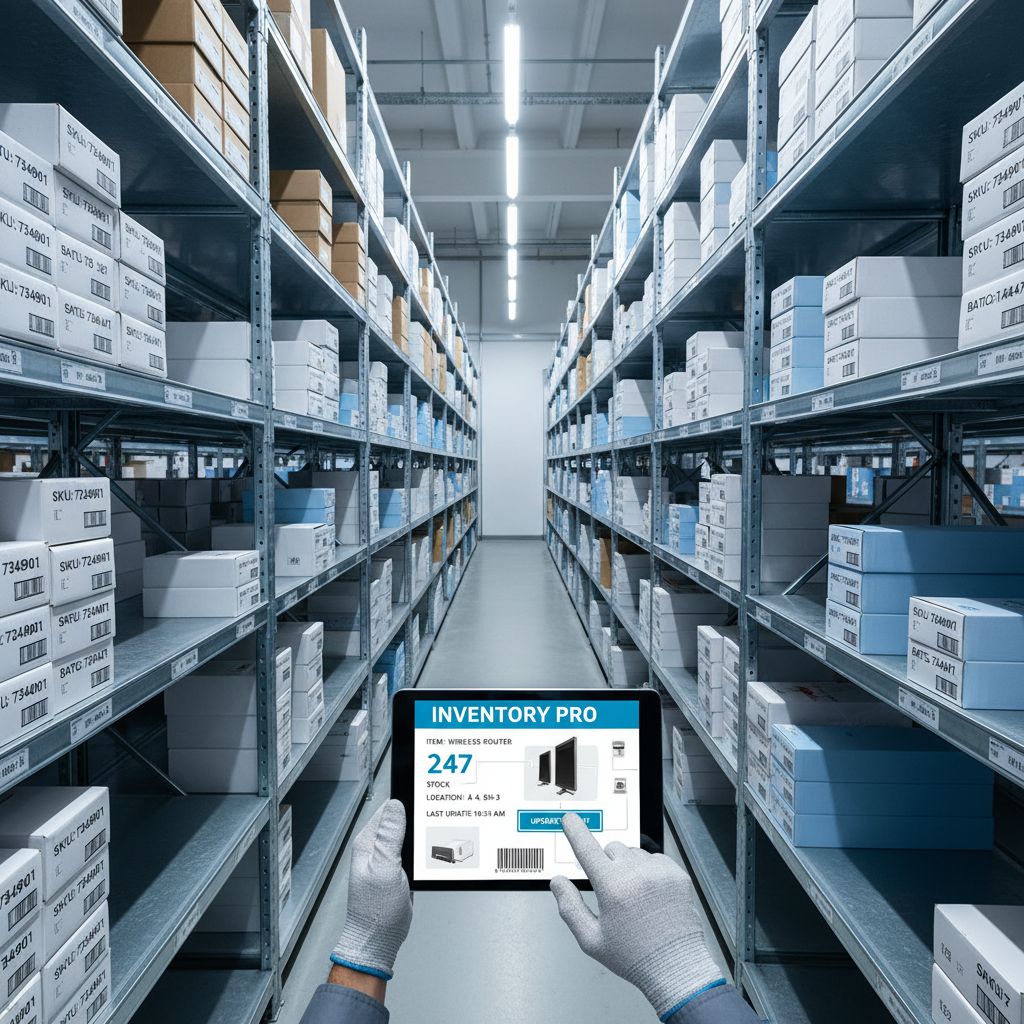
Moreover, this flexibility can help businesses manage inventory more effectively. By optimizing transport routes and schedules, companies can reduce lead times and maintain optimal stock levels, ultimately improving customer satisfaction.
Implementing Intermodal Solutions
Steps to Integration
Implementing intermodal solutions requires careful planning and collaboration with logistics providers. Here are some steps to consider:
- Assess Your Needs: Evaluate your current supply chain to identify areas where intermodal solutions can add value.
- Select the Right Partners: Work with experienced logistics providers who understand the complexities of intermodal transport.
- Invest in Technology: Utilize software and tracking systems to monitor shipments and improve coordination between different transportation modes.
- Train Your Team: Ensure your staff is well-versed in intermodal logistics to maximize the benefits of this approach.
Challenges and Considerations
While intermodal solutions offer many advantages, they also come with challenges. Coordinating multiple transportation methods requires precise planning and real-time communication. Additionally, businesses must navigate varying regulations and infrastructure capabilities across different regions.
Despite these challenges, the benefits of integrating intermodal solutions into your supply chain are substantial. By enhancing efficiency, reducing costs, and minimizing environmental impact, intermodal transport can be a game-changer for businesses looking to stay competitive in the global market.