
How to Choose the Right Warehousing Solution for Your Business


Understanding Your Business Needs
Choosing the right warehousing solution begins with a comprehensive understanding of your business needs. Consider the size of your inventory, the nature of your products, and the geographical locations of your suppliers and customers. A small business with a limited product range might require a different solution compared to a large enterprise with diverse offerings.
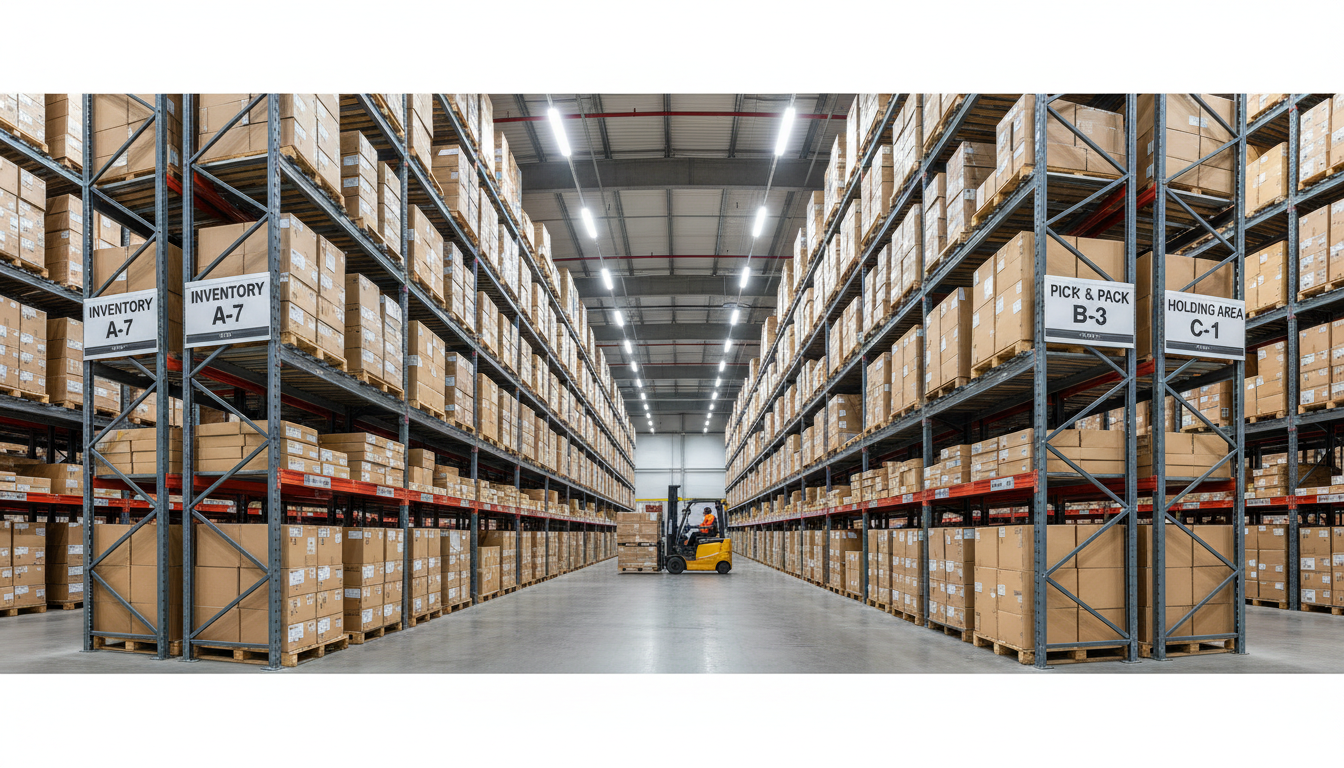
Analyzing your operational requirements is crucial. For instance, a business dealing with perishable goods will need climate-controlled storage, while a company handling electronics may require secure and dust-free environments. Understanding these specifics ensures that you select a solution that aligns with your operational demands.
Types of Warehousing Solutions
There are several types of warehousing solutions available, each offering unique benefits. Public warehouses, for example, are third-party facilities that offer flexibility and low commitment, making them ideal for businesses with variable storage needs. In contrast, private warehouses are owned and operated by a single entity, providing more control over operations.
Contract warehouses offer a middle ground, providing dedicated space and services under a contractual agreement. They are suitable for businesses looking for long-term solutions with customized services. Consider the nature of your business, budget, and long-term strategy when selecting the type of warehouse.
Location and Accessibility
The location of your warehouse can significantly impact your business operations. A strategically located warehouse can reduce transportation costs and improve delivery times. Evaluate the proximity to major transportation hubs like highways, ports, and railways.
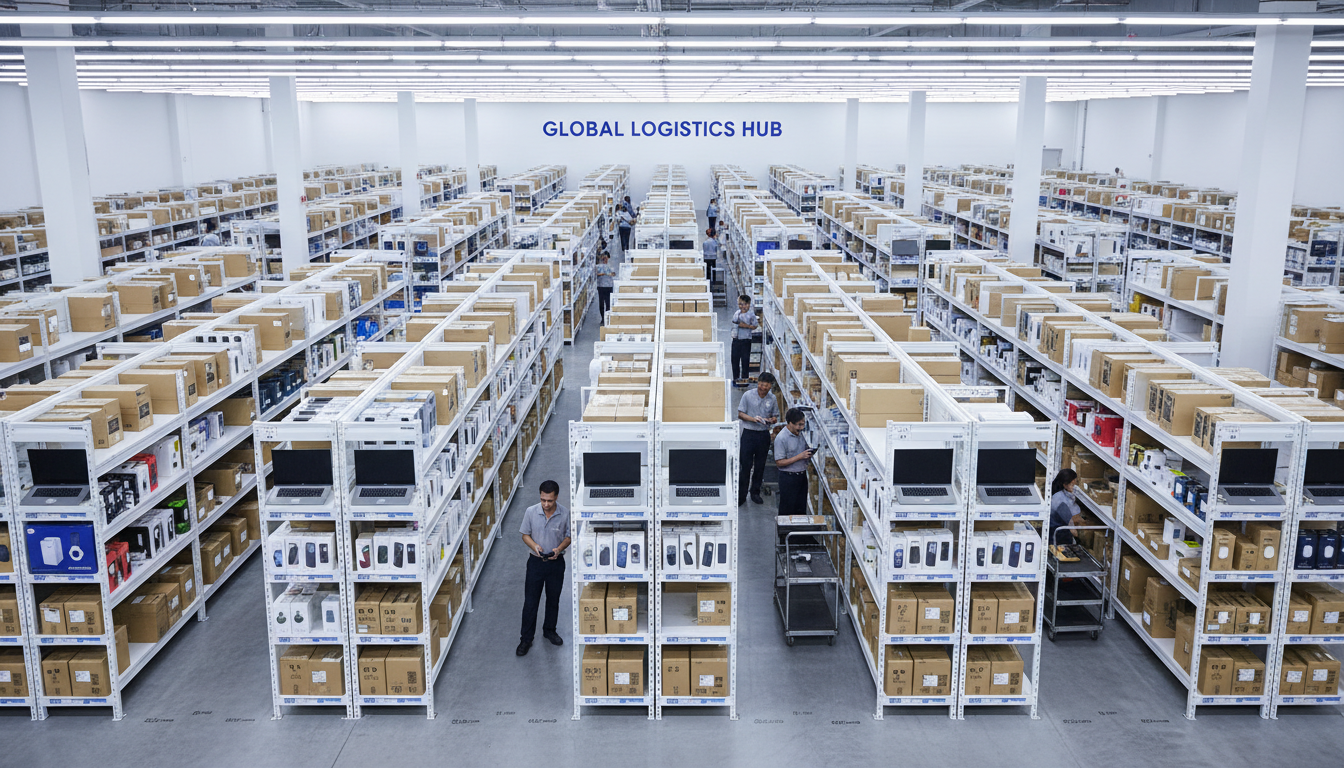
Accessibility is another critical factor. Ensure that the warehouse is easily accessible for both delivery trucks and your workforce. A location closer to your customer base can enhance service levels by reducing lead times, thereby improving customer satisfaction.
Technology and Automation
Modern warehousing solutions often incorporate advanced technology and automation to enhance efficiency. Evaluate whether the warehouse uses inventory management systems, automated picking systems, or robotics. These technologies can reduce errors, speed up processes, and provide real-time data on inventory levels.
Additionally, consider the integration capabilities of the warehouse’s technology with your existing systems. Seamless integration can streamline operations, providing a cohesive workflow from order placement to delivery.
Cost Considerations
Cost is a significant factor when choosing a warehousing solution. Analyze the pricing structures of different options, including storage fees, handling charges, and any additional service costs. It's important to balance cost with the quality of service provided.
Remember that the cheapest option isn’t always the best. Consider the long-term value that a warehousing solution can bring to your business, including reduced operational costs, improved efficiency, and enhanced customer satisfaction.
Scalability and Flexibility
Your business needs may change over time, so it's essential to choose a warehousing solution that offers scalability and flexibility. Look for providers that can accommodate your growth, whether it's through additional space or enhanced services.
Flexibility in contract terms can also be beneficial, allowing you to adjust your warehousing needs without being locked into long-term commitments. This adaptability ensures that your warehousing solution can evolve alongside your business.