
How to Optimize Port Dwell Time with Efficient Transloading Services


In the fast-paced world of logistics, minimizing port dwell time is crucial for maintaining supply chain efficiency. One effective strategy to achieve this is through efficient transloading services. By transferring goods from one mode of transportation to another, businesses can significantly reduce delays and optimize their logistics operations.

Understanding Port Dwell Time
Port dwell time refers to the duration cargo spends in port terminals before being moved to its next destination. Extended dwell times can lead to increased costs, congestion, and delays. Therefore, reducing dwell time is essential for improving supply chain velocity.
The Impact of Port Dwell Time
Longer dwell times can result in a series of challenges for businesses. These include higher storage costs, increased risk of cargo damage, and potential disruptions in the supply chain. Consequently, optimizing this time frame can lead to significant operational benefits.
The Role of Transloading Services
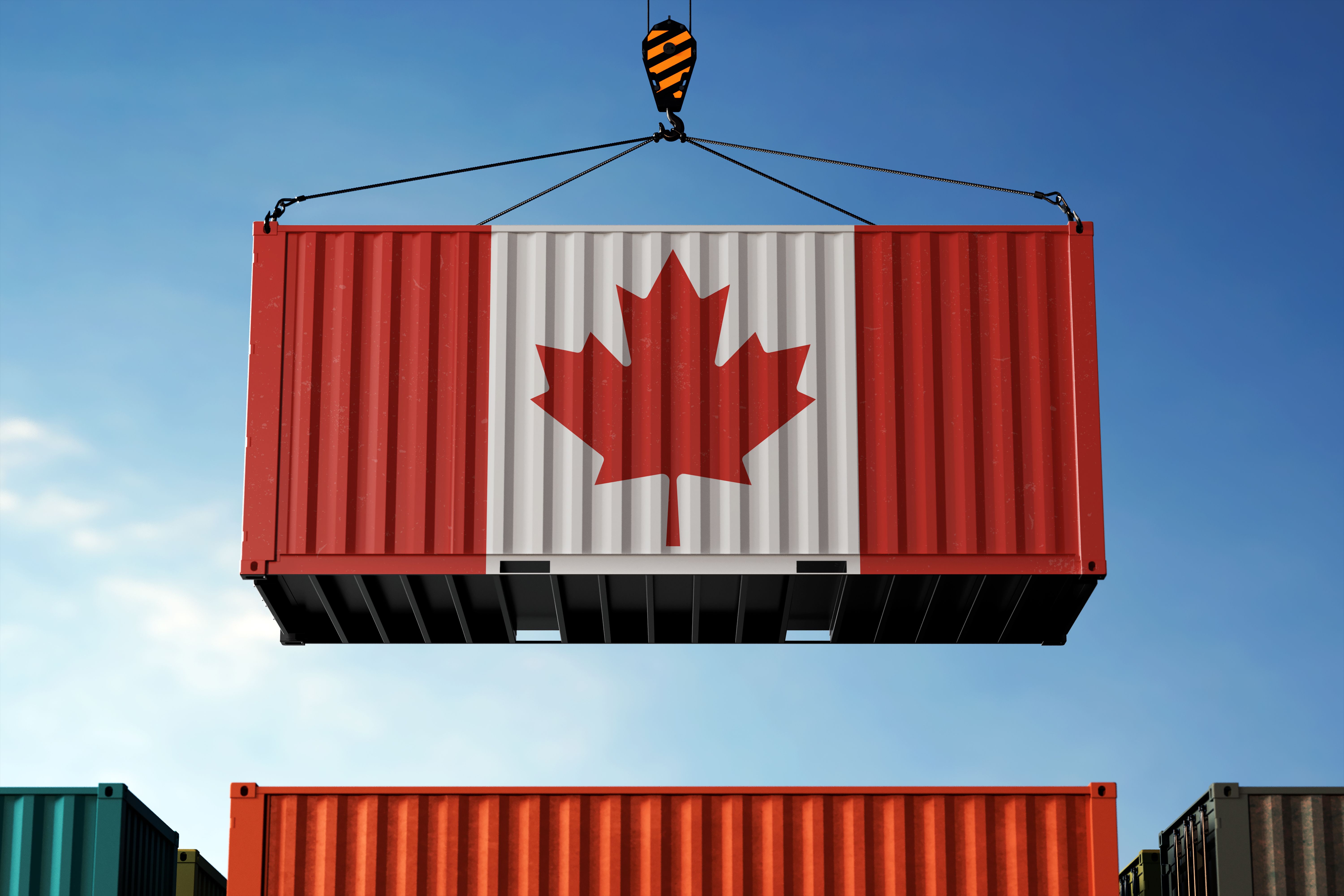
Transloading involves the transfer of goods from one transportation mode to another, such as from a ship to a truck or rail. By leveraging transloading services, businesses can streamline the movement of goods, reducing bottlenecks and enhancing overall efficiency.
Benefits of Efficient Transloading
There are several benefits to using transloading services:
- Cost Reduction: By minimizing storage and handling fees, businesses can reduce costs significantly.
- Improved Flexibility: Transloading allows for greater flexibility in routing and transportation modes.
- Faster Turnaround: Quick transfers between modes decrease the time goods spend idle.
Strategies for Optimizing Transloading
To maximize the benefits of transloading, consider the following strategies:
- Invest in Technology: Use advanced tracking and management systems to monitor cargo movement efficiently.
- Collaborate with Reliable Partners: Choose experienced logistics providers who can offer seamless transloading services.
- Plan Proactively: Anticipate potential bottlenecks and prepare contingency plans to address them.

Implementing Best Practices
Businesses should adopt best practices to enhance the effectiveness of transloading services. This includes thorough planning, maintaining clear communication with stakeholders, and continuously evaluating performance metrics to identify areas for improvement.
In conclusion, optimizing port dwell time through efficient transloading services can lead to significant advantages for businesses. By implementing the right strategies and collaborating with experienced partners, companies can enhance their supply chain operations, reduce costs, and improve turnaround times. Embracing these practices not only boosts efficiency but also strengthens the overall competitiveness of the business in the global market.