
How to Optimize Your Supply Chain for Peak Season Efficiency


Understanding Peak Season Challenges
Peak seasons, such as the holidays or back-to-school periods, can put immense pressure on supply chains. Increased demand, tight deadlines, and logistical constraints can lead to disruptions if not managed efficiently. Understanding these challenges is the first step in optimizing your supply chain for peak season efficiency.
Analyzing Historical Data
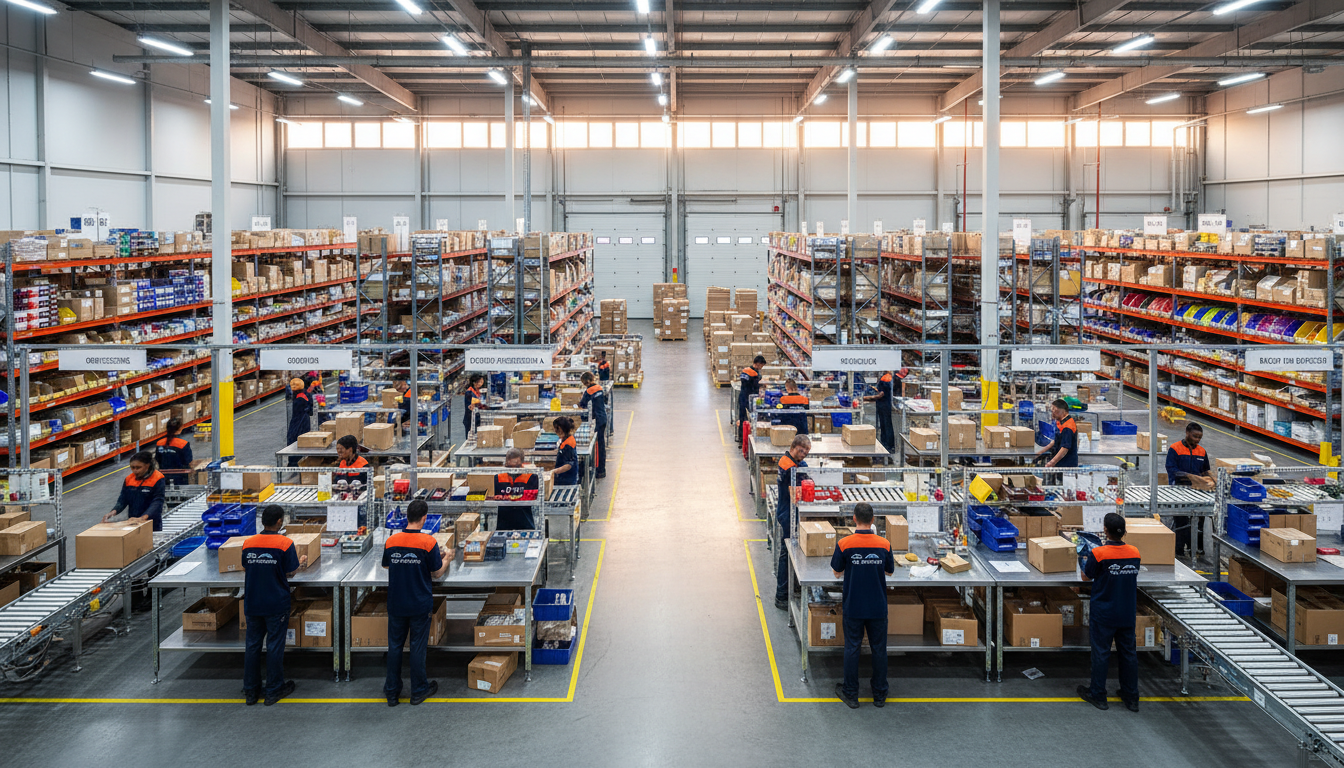
One of the most effective strategies to optimize your supply chain is to analyze historical data. By examining past performance, you can identify trends, peak demand periods, and potential bottlenecks. Use this data to forecast demand more accurately and adjust your supply chain strategies accordingly.
Implementing robust data analytics tools can help in gaining deeper insights. These tools can predict demand fluctuations and assist in planning inventory levels, ensuring that you are neither understocked nor overstocked during peak periods.
Strengthening Supplier Relationships
Building and maintaining strong relationships with your suppliers is crucial for peak season success. Effective communication and collaboration can lead to better negotiation terms and more reliable service. Consider creating a mutually beneficial partnership where both parties work together to handle increased demands efficiently.

Establishing Clear Communication Channels
Ensure that you have clear and open communication channels with your suppliers. Regular updates and transparent sharing of information will help in aligning expectations and reducing the risk of miscommunication.
Enhancing Inventory Management
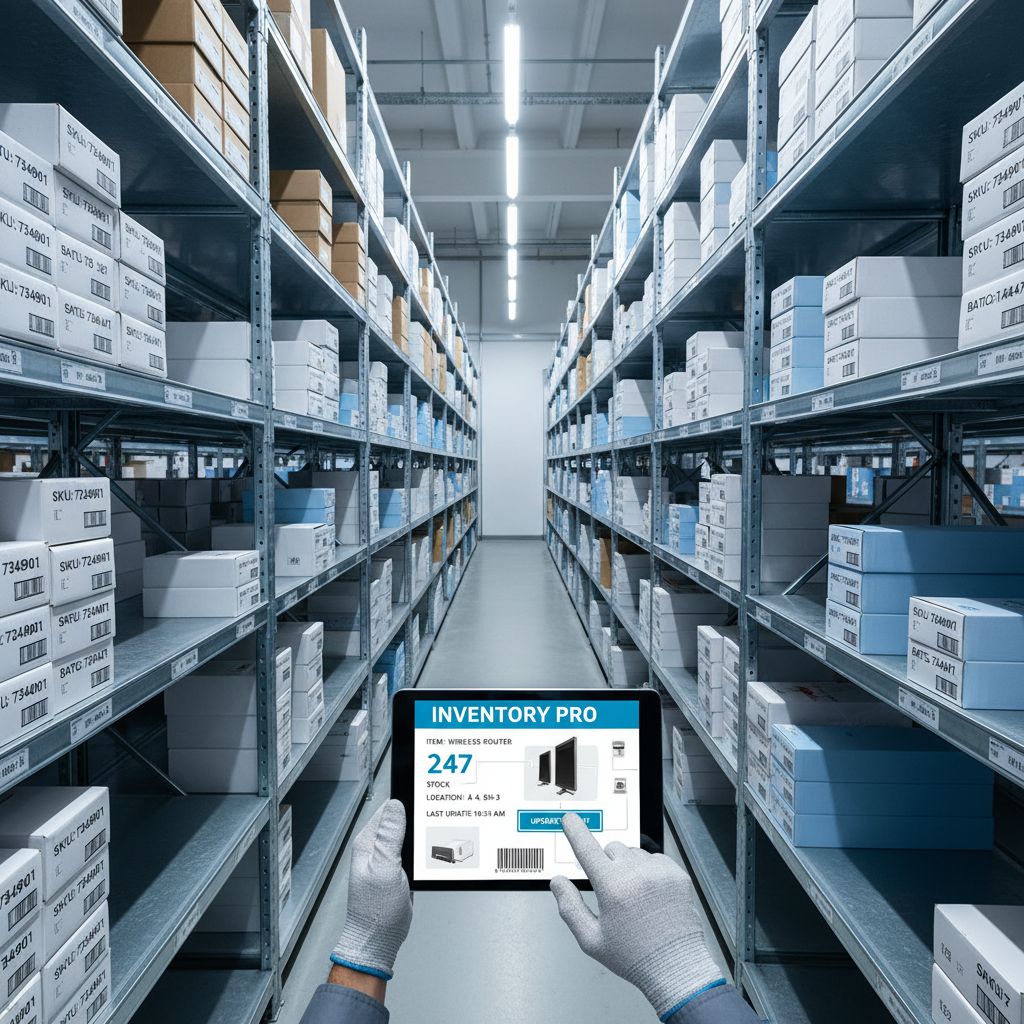
Effective inventory management is essential for peak season efficiency. Implementing an inventory management system can help you keep track of stock levels, manage reorder points, and optimize storage solutions. This ensures that you have the right products available when demand peaks.
Utilizing Technology for Better Control
Leveraging technology like RFID tags and IoT devices can provide real-time visibility into your inventory. This technology helps in reducing errors and improving the accuracy of inventory data, which is vital during peak times.
Optimizing Logistics and Distribution
Logistics and distribution are the backbone of any supply chain. During peak seasons, optimizing these processes is critical. Consider diversifying your shipping options and working with multiple carriers to ensure flexibility and reliability.
Implementing route optimization software can also help in reducing delivery times and costs, enhancing the overall efficiency of your supply chain.
Training and Preparing Your Team
Your team plays a crucial role in the success of your supply chain. Providing them with the necessary training and resources will prepare them to handle the increased workload during peak seasons. Encourage a proactive approach, enabling them to anticipate and solve problems before they escalate.

By focusing on these strategies, you can optimize your supply chain to handle the pressures of peak seasons efficiently. Through careful planning, strong partnerships, and leveraging technology, your supply chain can become a robust and resilient system capable of meeting increased demands.