
Maximizing Supply Chain Efficiency with Specialized Equipment


Understanding the Role of Specialized Equipment in Supply Chain Efficiency
In today's competitive market, optimizing the supply chain is crucial for businesses aiming to enhance productivity and reduce costs. One effective way to achieve this is through the use of specialized equipment. By investing in technology tailored to specific supply chain needs, companies can streamline operations and improve overall efficiency.
Specialized equipment can range from automated warehouse systems to advanced transportation technologies. These tools are designed to address unique challenges within the supply chain, providing solutions that general-purpose equipment cannot match.
Benefits of Specialized Equipment in Warehousing
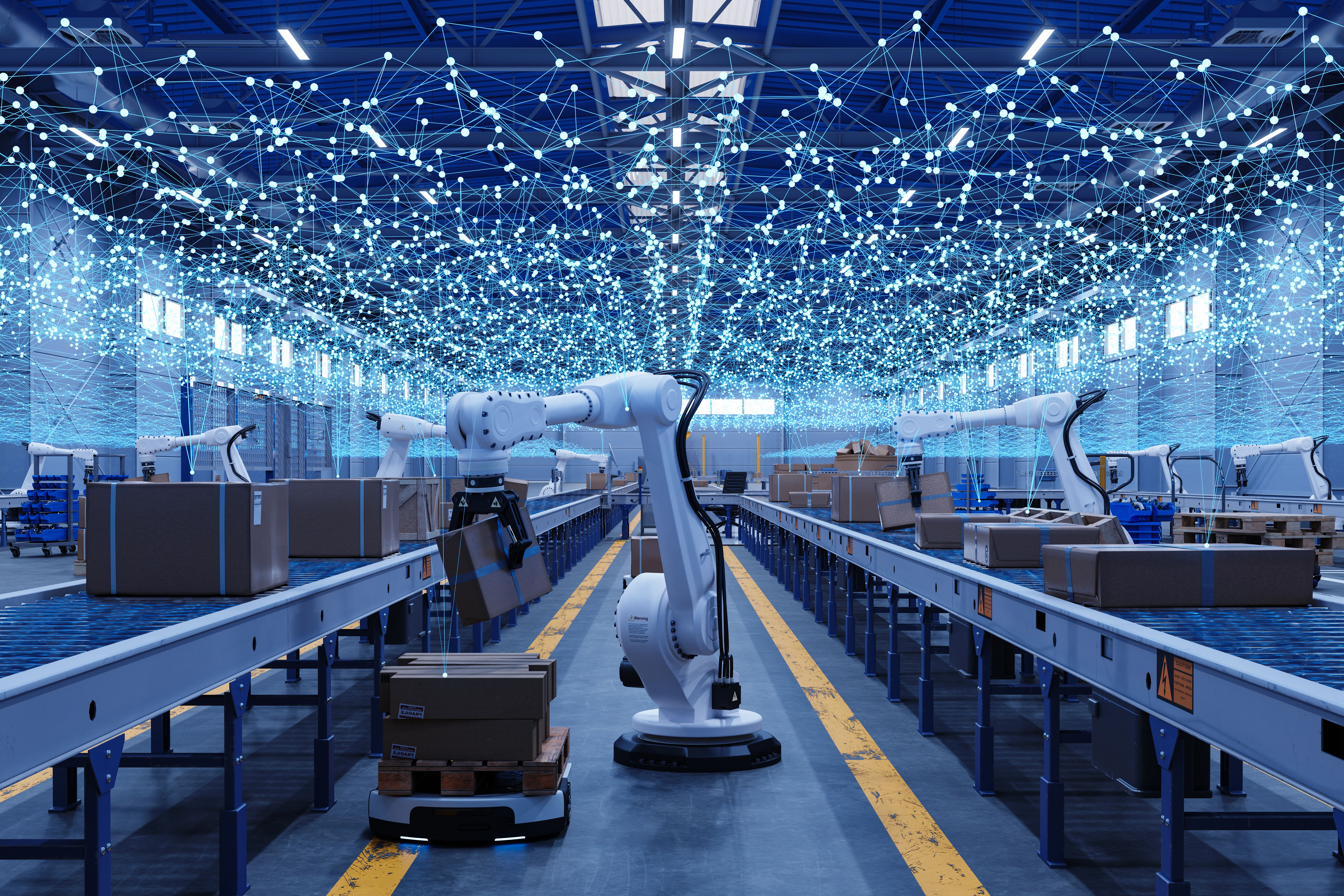
Warehousing is a critical component of the supply chain, and the introduction of specialized equipment can significantly enhance its efficiency. Technologies like automated storage and retrieval systems (AS/RS) and robotic pickers offer numerous advantages.
- Increased Speed: Automation reduces the time needed for picking and storing items.
- Accuracy: Advanced systems minimize human error, ensuring that orders are fulfilled correctly.
- Space Optimization: Specialized equipment allows for better utilization of available space.
These benefits collectively contribute to a faster, more reliable warehousing process, ultimately supporting the entire supply chain.
Enhancing Transportation with Advanced Technologies
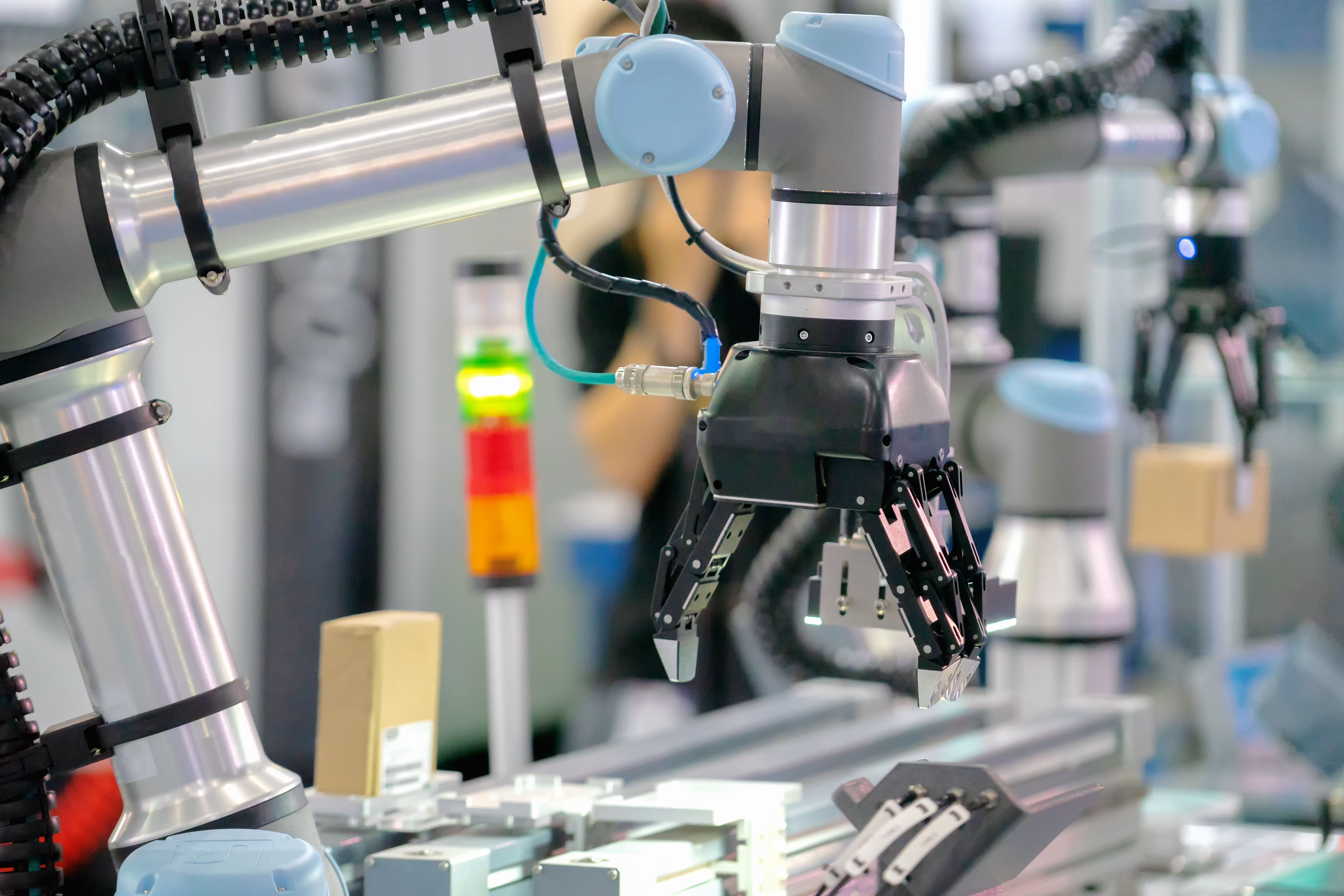
Transportation is another critical area where specialized equipment can make a significant impact. The use of technologies such as GPS tracking, telematics, and route optimization software has transformed the logistics landscape.
By implementing these tools, companies can achieve:
- Real-Time Tracking: Enhanced visibility into the movement of goods, allowing for better planning and responsiveness.
- Fuel Efficiency: Optimized routes and maintenance alerts help reduce fuel consumption and costs.
- Improved Safety: Monitoring systems help in maintaining vehicle safety standards and driver performance.

Integrating Specialized Equipment into Existing Systems
One of the challenges businesses face is integrating new specialized equipment into existing supply chain systems. Successful integration requires careful planning and execution.
Key steps include:
- Assessment: Understanding current systems and identifying areas for improvement.
- Customization: Tailoring equipment to fit specific operational needs.
- Training: Ensuring staff are adequately trained to use new technologies effectively.
Through a strategic approach, companies can seamlessly incorporate specialized equipment, maximizing its benefits.
The Future of Supply Chain Efficiency
As technology continues to evolve, the future of supply chain efficiency looks promising. Emerging trends such as the Internet of Things (IoT), artificial intelligence, and machine learning are set to further revolutionize the industry.
Businesses that embrace these innovations and integrate specialized equipment into their supply chains will be well-positioned to stay ahead of the competition. By continuously seeking ways to enhance efficiency, companies can ensure long-term success and growth.

In conclusion, maximizing supply chain efficiency with specialized equipment is not just an option but a necessity for modern businesses. By investing in technology that meets specific operational needs, companies can achieve remarkable improvements in speed, accuracy, and cost-effectiveness, laying the foundation for a more robust and resilient supply chain.