
Myth-Busting: Common Misconceptions About Eco-Friendly Transportation


Introduction to Eco-Friendly Transportation
As the world becomes more environmentally conscious, eco-friendly transportation is gaining traction. However, several misconceptions persist, preventing many from making the switch to greener modes of transport. In this post, we'll debunk some of these myths and shed light on the true benefits of sustainable travel.
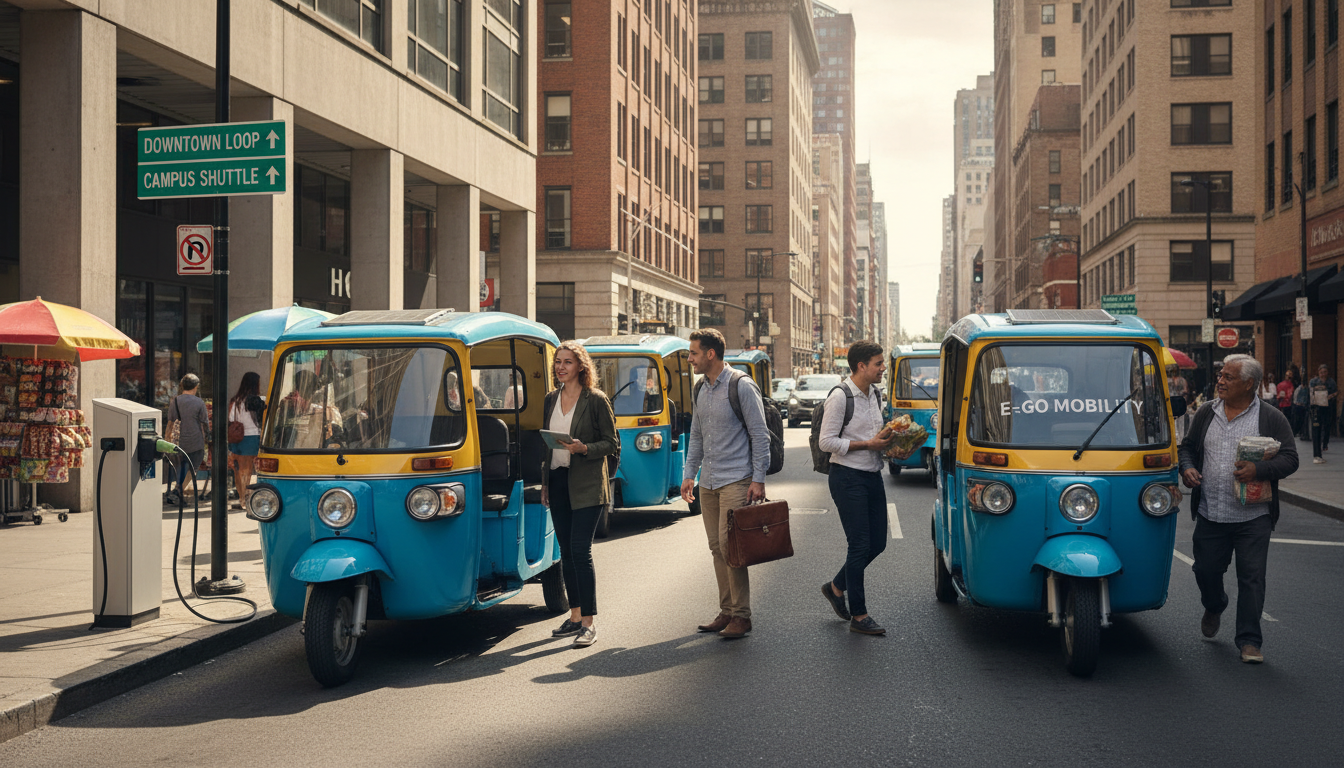
Myth 1: Electric Vehicles Are Not Truly Green
One of the most common myths is that electric vehicles (EVs) are not genuinely eco-friendly due to the electricity they consume. Critics argue that if the electricity is generated from non-renewable sources, the environmental benefits are negated. While it's true that the source of electricity matters, the overall carbon footprint of EVs is significantly lower than that of traditional gasoline vehicles. Moreover, with the rise of renewable energy, this impact is continually decreasing.
Myth 2: Public Transport Is Inconvenient
Many people believe that public transportation is inconvenient or unreliable. However, advancements in technology have greatly improved the efficiency and reliability of public transit systems. Modern apps provide real-time updates, making it easier than ever to plan journeys. Additionally, using public transport reduces traffic congestion and lowers individual carbon emissions.

Myth 3: Cycling Is Unsafe
Cycling is often perceived as a risky mode of transport, particularly in urban areas. While safety concerns exist, many cities are investing in infrastructure to make cycling safer, including dedicated lanes and traffic calming measures. Cycling is not only a low-impact form of transportation but also offers health benefits, making it an excellent choice for short commutes.
Myth 4: Eco-Friendly Options Are Expensive
Another widespread belief is that eco-friendly transportation options are costly. While the initial investment in an electric vehicle or a high-quality bicycle might be higher, the long-term savings on fuel and maintenance often outweigh these costs. Additionally, many governments offer incentives and rebates to support the adoption of green transportation.

Myth 5: Sustainable Transport Lacks Variety
Some assume that eco-friendly transportation means limited options. In reality, there's a wide range of sustainable choices, from carpooling and ride-sharing to electric scooters and hybrid vehicles. This variety ensures that individuals can select the option that best fits their lifestyle and transportation needs.
Conclusion: Embracing the Future of Transport
By debunking these myths, it's clear that eco-friendly transportation is both a viable and beneficial choice for a sustainable future. As technology and infrastructure continue to evolve, these options will only become more accessible and effective. Embracing green transportation is not just about reducing our environmental impact but also about building a healthier, more efficient world.