
Preparing Your Business for Peak Season with Expert Logistics Planning


Understanding the Importance of Logistics Planning
As the peak season approaches, businesses must strategically prepare to handle increased demand. Expert logistics planning is crucial for ensuring a smooth operation during this busy period. Proper planning can help you manage inventory, optimize shipping, and meet customer expectations efficiently.
Logistics planning involves coordinating various elements such as supply chain management, transportation, and warehousing. By anticipating potential challenges and preparing in advance, businesses can mitigate risks and capitalize on the opportunities that the peak season presents.
Forecasting Demand Accurately
One of the first steps in preparing for peak season is accurately forecasting demand. This involves analyzing past sales data, considering market trends, and understanding customer behavior. By doing so, businesses can better estimate how much product they need to have on hand.
Implementing advanced analytics tools can provide valuable insights into customer preferences and purchasing patterns. This information helps in making informed decisions about inventory levels and reordering schedules, ensuring that you are neither overstocked nor understocked.

Optimizing Inventory Management
Once demand is forecasted, the next step is to optimize inventory management. This includes evaluating your current inventory processes and identifying areas for improvement. Consider techniques like just-in-time inventory to reduce excess stock and save on storage costs.
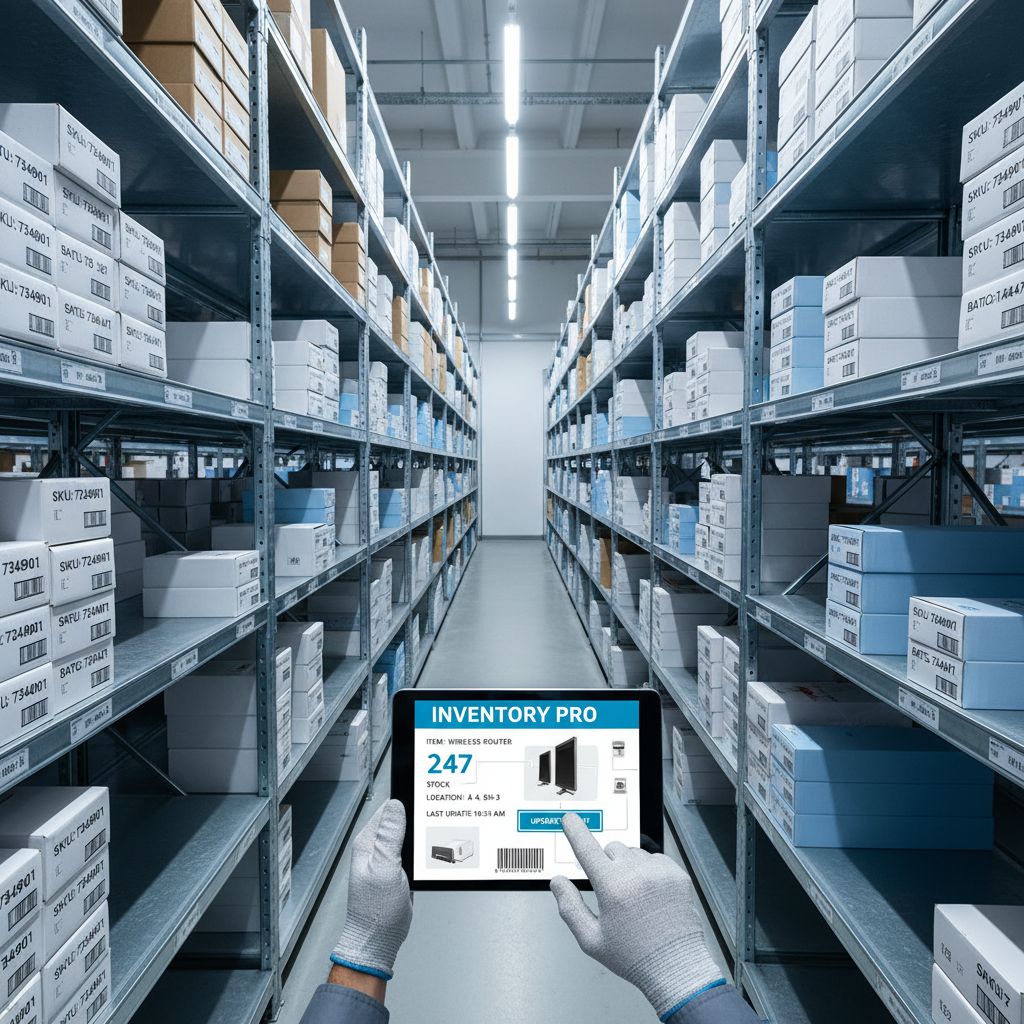
Utilizing technology such as inventory management software can streamline this process. These tools provide real-time visibility into stock levels, helping you make quick and informed decisions. Additionally, maintaining strong relationships with suppliers ensures timely replenishment of goods.
Enhancing Supply Chain Efficiency
Supply chain efficiency is vital for meeting peak season demand. Review your supply chain operations to identify potential bottlenecks and areas for enhancement. Collaborate closely with suppliers and logistics partners to ensure smooth transitions and timely deliveries.
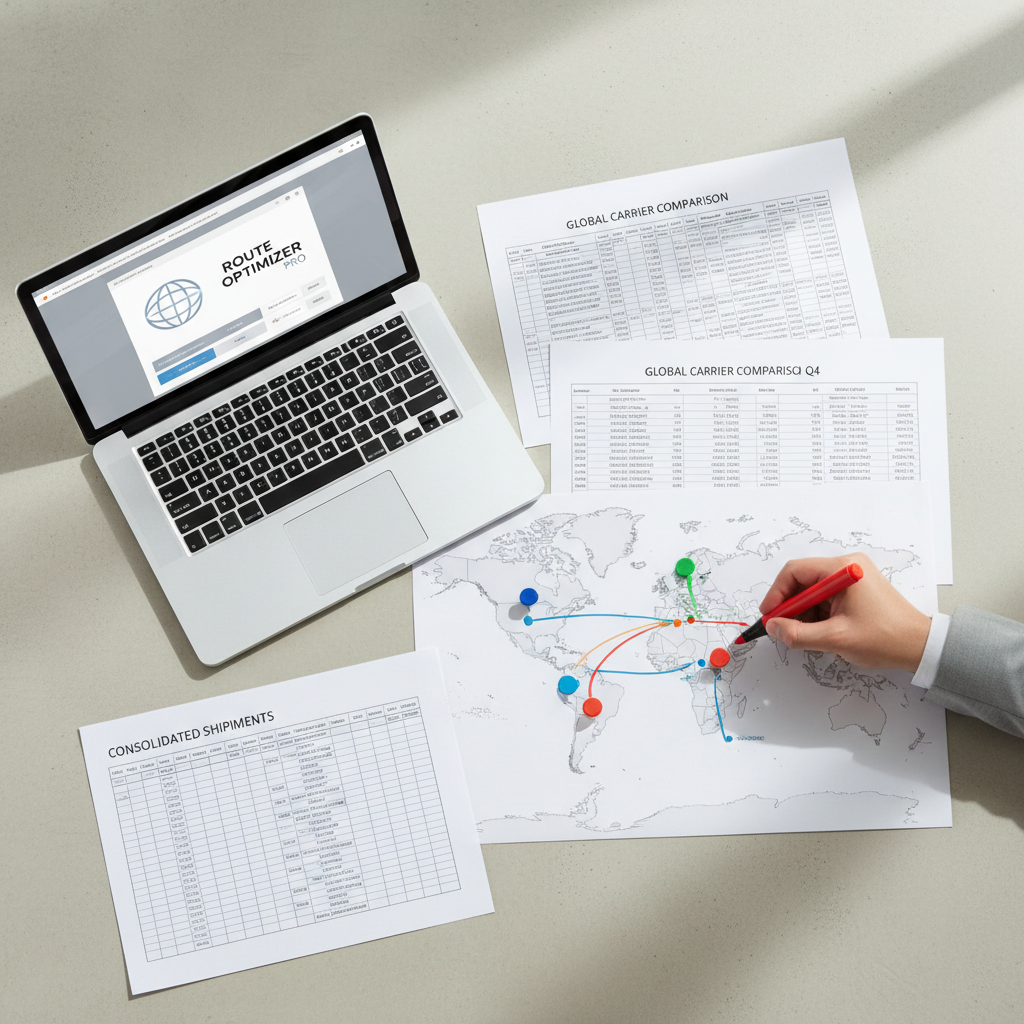
Implementing strategies such as route optimization and load planning can significantly reduce transportation costs and improve delivery times. Embrace technology solutions like transportation management systems to track shipments and optimize routes effectively.
Investing in Workforce Training
During peak season, having a well-trained workforce is essential. Invest in training programs to enhance your team’s skills in handling increased workloads and managing stress. A knowledgeable workforce contributes positively to productivity and customer satisfaction.
Consider hiring temporary staff to support your existing team during this busy period. Ensure they receive adequate training to maintain the quality of service your customers expect.

Leveraging Technology for Better Outcomes
Technology plays a crucial role in logistics planning and execution. From automated systems to real-time tracking, leveraging the right technology can significantly enhance operational efficiency. Consider investing in tools that offer predictive analytics, real-time data tracking, and automated reporting.
These technologies not only streamline operations but also provide valuable insights that help in making data-driven decisions. By embracing innovation, businesses can stay ahead of the competition and deliver exceptional service during peak season.