
Seasonal Logistics Challenges and Solutions in the United States


Understanding Seasonal Logistics Challenges
Seasonal changes can significantly impact logistics operations in the United States, affecting everything from transportation routes to warehouse efficiency. These fluctuations require businesses to adapt promptly to maintain smooth operations. Understanding these challenges is the first step in developing effective solutions.
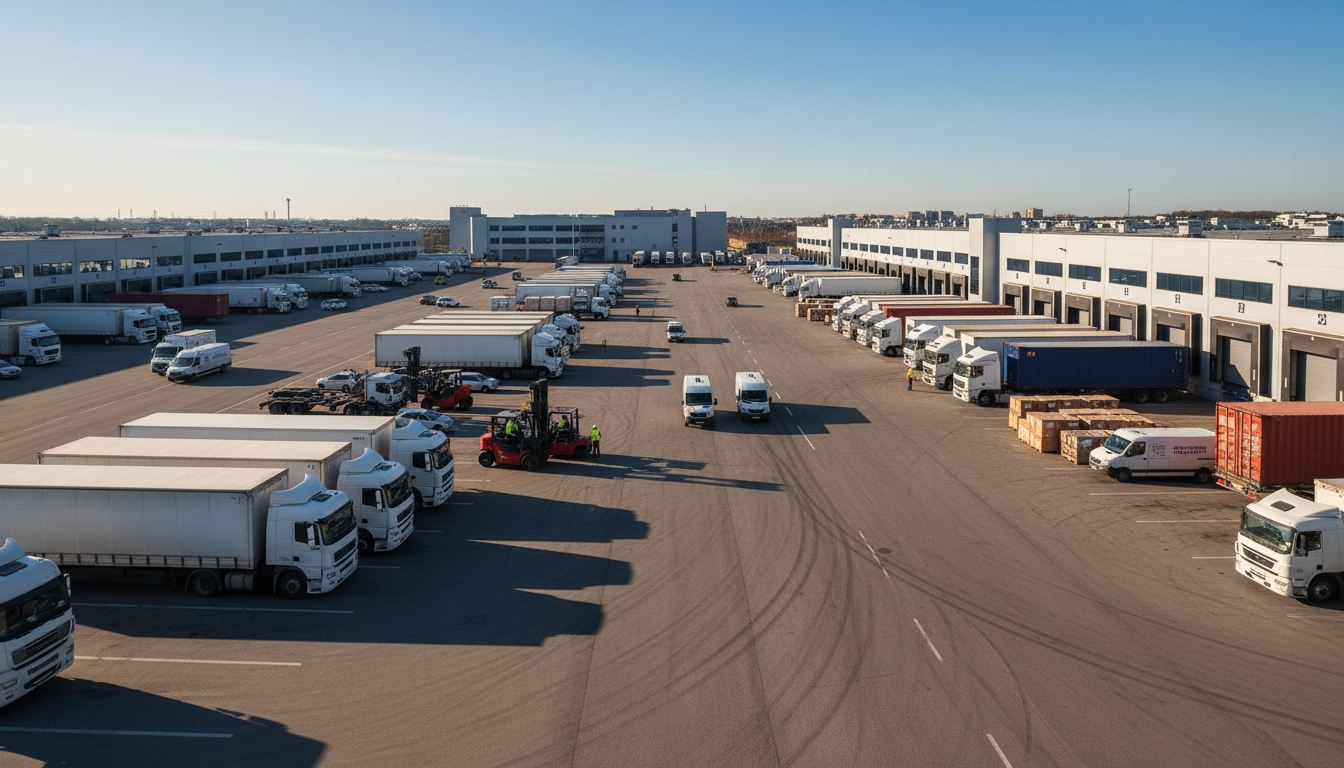
Winter, for example, brings harsh weather conditions in many regions, leading to delays and increased risks in transportation. Snowstorms and icy roads can disrupt supply chains, requiring contingency plans and flexible scheduling to ensure timely delivery.
Impact of Seasonal Demand Fluctuations
Besides weather, fluctuations in demand during certain seasons present another challenge. The holiday season can lead to a significant spike in demand, straining logistics networks. This increased pressure requires advanced planning and additional resources to handle the surge efficiently.
Businesses often need to hire seasonal workers and expand their fleet temporarily to cater to these demands. Properly forecasting demand can help in allocating resources more effectively, minimizing disruptions.

Solutions for Navigating Seasonal Challenges
To address these challenges, businesses can implement several strategies. One effective approach is investing in technology to enhance visibility and control over the supply chain. Real-time tracking systems can provide valuable insights into the status of shipments, allowing for proactive adjustments.
Optimizing Transportation Routes
Optimizing transportation routes is another crucial strategy. By analyzing traffic patterns and weather forecasts, companies can plan alternative routes to avoid potential delays. This flexibility helps in maintaining delivery schedules and reducing costs associated with unexpected detours.

Furthermore, collaboration with logistics partners can provide shared insights and resources, enhancing overall efficiency. Building strong relationships with carriers and suppliers ensures that everyone is aligned and prepared to tackle seasonal disruptions together.
Leveraging Technology for Efficiency
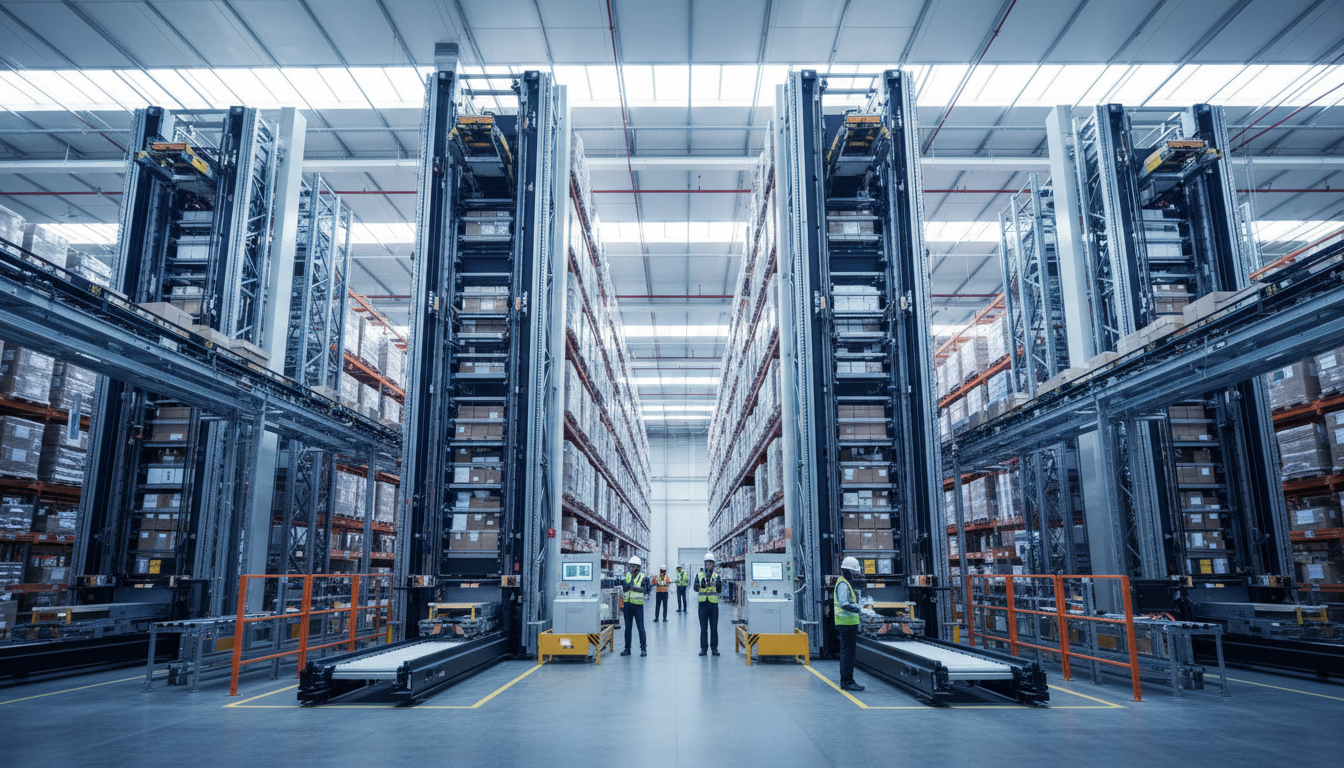
Incorporating technology solutions, such as warehouse automation and predictive analytics, is essential for improving response times and minimizing errors. Automation helps in managing increased volumes during peak seasons, ensuring that operations run smoothly.
Predictive analytics can forecast demand more accurately, allowing businesses to adjust their strategies accordingly. This proactive approach reduces the risk of stockouts or overstocking, optimizing inventory management.
Ensuring Resilience in Supply Chains
Ultimately, building resilience into supply chains is crucial for handling seasonal logistics challenges. By understanding the specific needs and constraints of each season, businesses can develop tailored strategies that ensure continuity and efficiency throughout the year.
With careful planning and the right tools, companies can turn seasonal challenges into opportunities for growth and improvement, setting the stage for long-term success in the ever-evolving logistics landscape.