
Seasonal Logistics Planning: Preparing for Peak Holiday Demands


Understanding the Importance of Seasonal Logistics Planning
As the holiday season approaches, businesses face a surge in demand that can strain logistics operations. Effective seasonal logistics planning is crucial to ensure that products reach customers promptly and efficiently. By preparing in advance, companies can mitigate potential disruptions and capitalize on the increased sales opportunities.
One of the key aspects of planning is understanding historical data and trends. By analyzing past holiday seasons, businesses can anticipate demand fluctuations and adjust their logistics strategies accordingly. This proactive approach enables companies to optimize inventory levels and improve customer satisfaction.
Managing Inventory Levels
Inventory management is at the heart of successful logistics planning during peak seasons. Maintaining the right balance of stock is crucial to meet customer demands without overstocking, which can lead to increased storage costs. Implementing a robust inventory management system helps businesses track stock levels in real-time and make informed decisions.
Collaborating with suppliers is also essential to ensure timely replenishment of inventory. Establishing strong relationships with vendors can lead to better communication and more flexible terms, allowing businesses to respond quickly to changing demands during the holiday rush.
Optimizing Transportation and Delivery
Transportation is another critical component of seasonal logistics planning. During peak holiday periods, delivery networks can become congested, leading to delays. To combat this, companies should explore alternative shipping options and partner with reliable carriers to ensure timely deliveries.

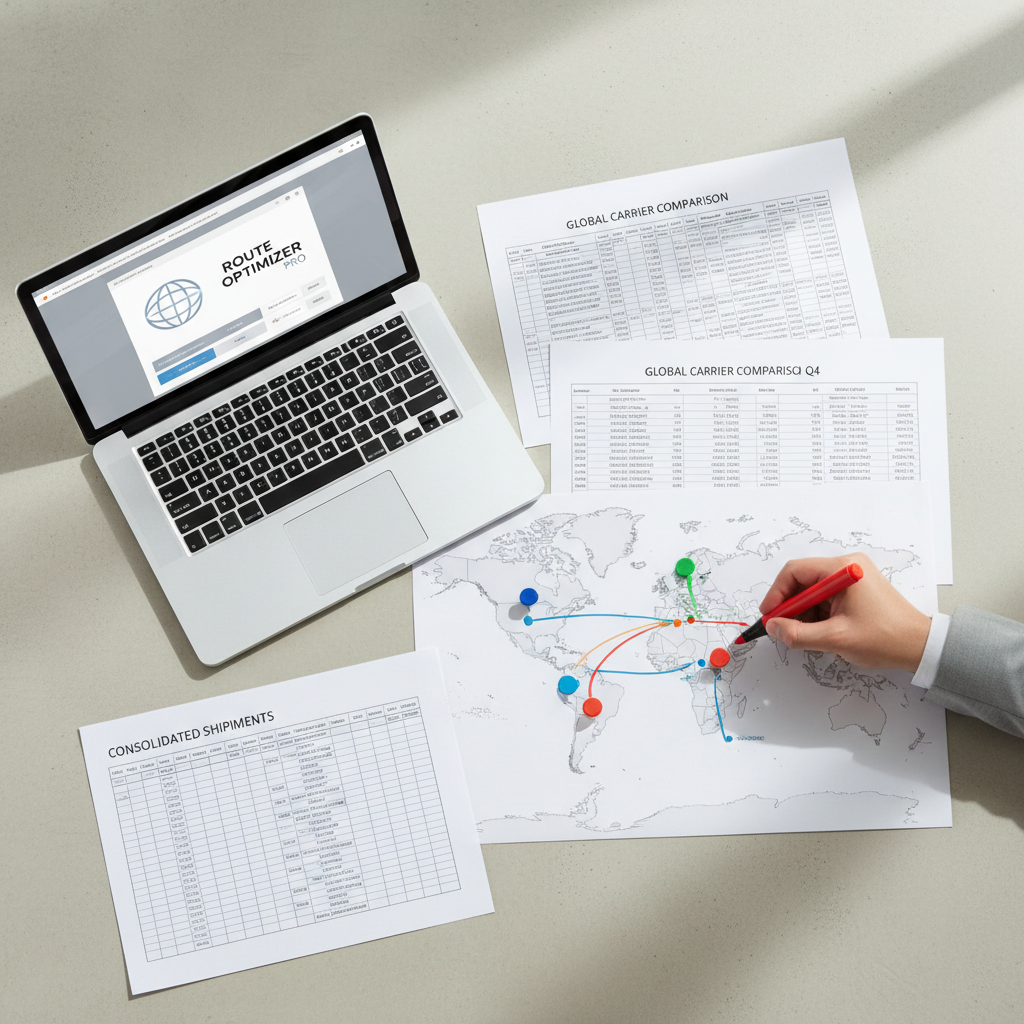
Additionally, investing in route optimization software can enhance delivery efficiency. By analyzing factors such as traffic patterns and delivery windows, businesses can maximize the productivity of their fleets and minimize transit times.
Leveraging Technology for Efficiency
Technology plays a vital role in streamlining logistics operations during peak seasons. Implementing automated systems, such as warehouse management software, can reduce manual errors and improve overall efficiency. These systems provide real-time data and analytics, enabling businesses to make swift, data-driven decisions.
Furthermore, using technology to enhance customer communication can lead to a better shopping experience. Providing customers with tracking information and delivery updates fosters transparency and builds trust, which is crucial during busy holiday periods.

Preparing Your Workforce
The human element remains a significant factor in logistics success. As demand increases, so does the need for a well-prepared workforce. Businesses should consider hiring seasonal staff and providing comprehensive training to ensure smooth operations throughout the holiday season.
Fostering a positive work environment and offering incentives can also boost employee morale and productivity. Happy and motivated staff are more likely to provide excellent service, enhancing the overall customer experience.
Conclusion: Proactive Planning Pays Off
In conclusion, preparing for peak holiday demands requires meticulous planning and coordination. By focusing on inventory management, transportation, technology, and workforce readiness, businesses can navigate the holiday season with confidence. Proactive logistics planning not only helps in avoiding potential pitfalls but also positions companies to maximize their sales and customer satisfaction during the busiest time of the year.