
Seasonal Logistics Solutions: Preparing for Peak Times


Understanding the Challenges of Seasonal Logistics
As businesses gear up for peak seasons, effective logistics solutions become crucial. The holiday rush, back-to-school periods, and other seasonal spikes demand a well-thought-out strategy to handle increased demand smoothly. Understanding the unique challenges that arise during these times is the first step in preparing for them.
Peak periods often lead to higher order volumes, necessitating efficient inventory management and timely deliveries. Businesses must anticipate potential bottlenecks in the supply chain and take proactive measures to address them. Without a solid plan, they risk delays, dissatisfied customers, and lost revenue.
Strategizing for Inventory Management
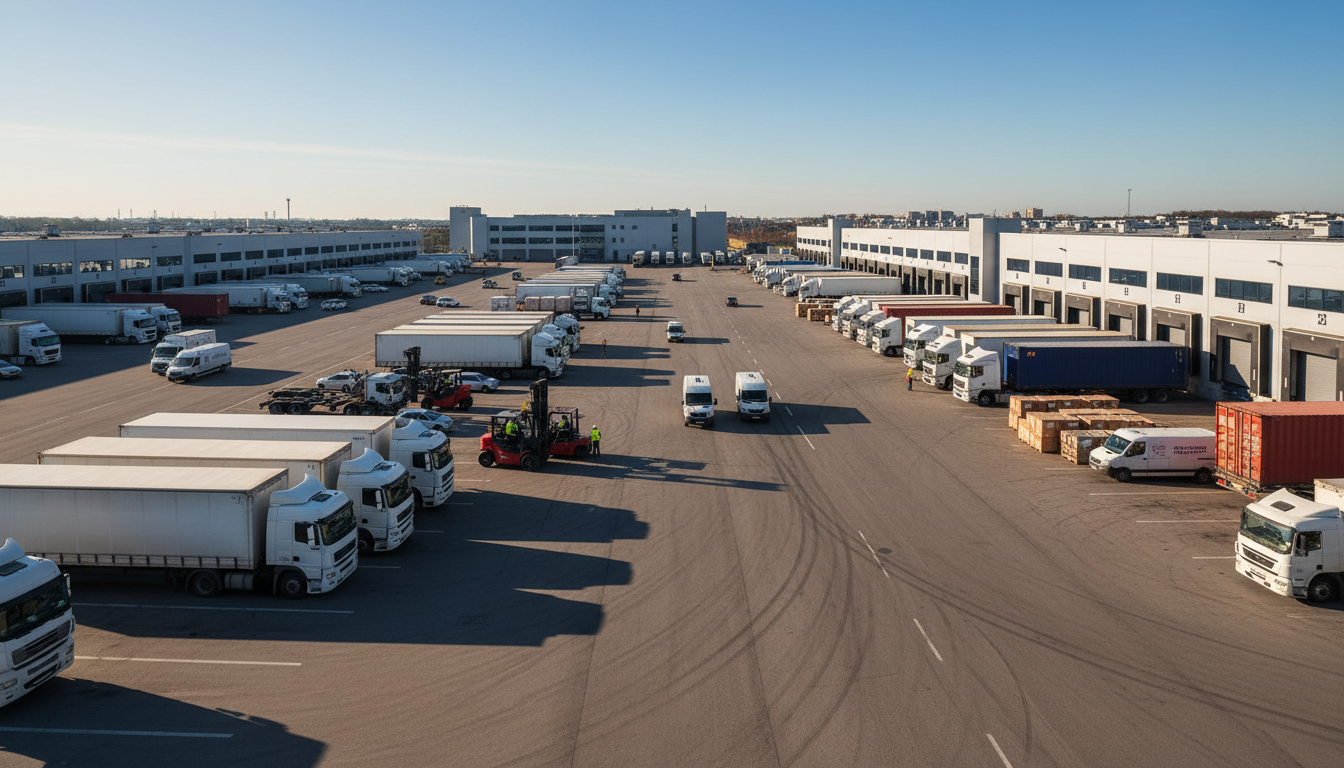
Effective inventory management is pivotal during peak times. Companies should analyze historical data to forecast demand accurately. This analysis enables better stocking decisions and minimizes the risk of overstocking or stockouts. Additionally, implementing an automated inventory system can streamline processes and reduce human error.
Another strategy is to diversify suppliers to ensure a steady flow of goods. By having multiple sources, businesses can mitigate risks associated with supplier delays or shortages. This approach provides more flexibility and resilience during high-demand periods.
Enhancing Warehousing Efficiency
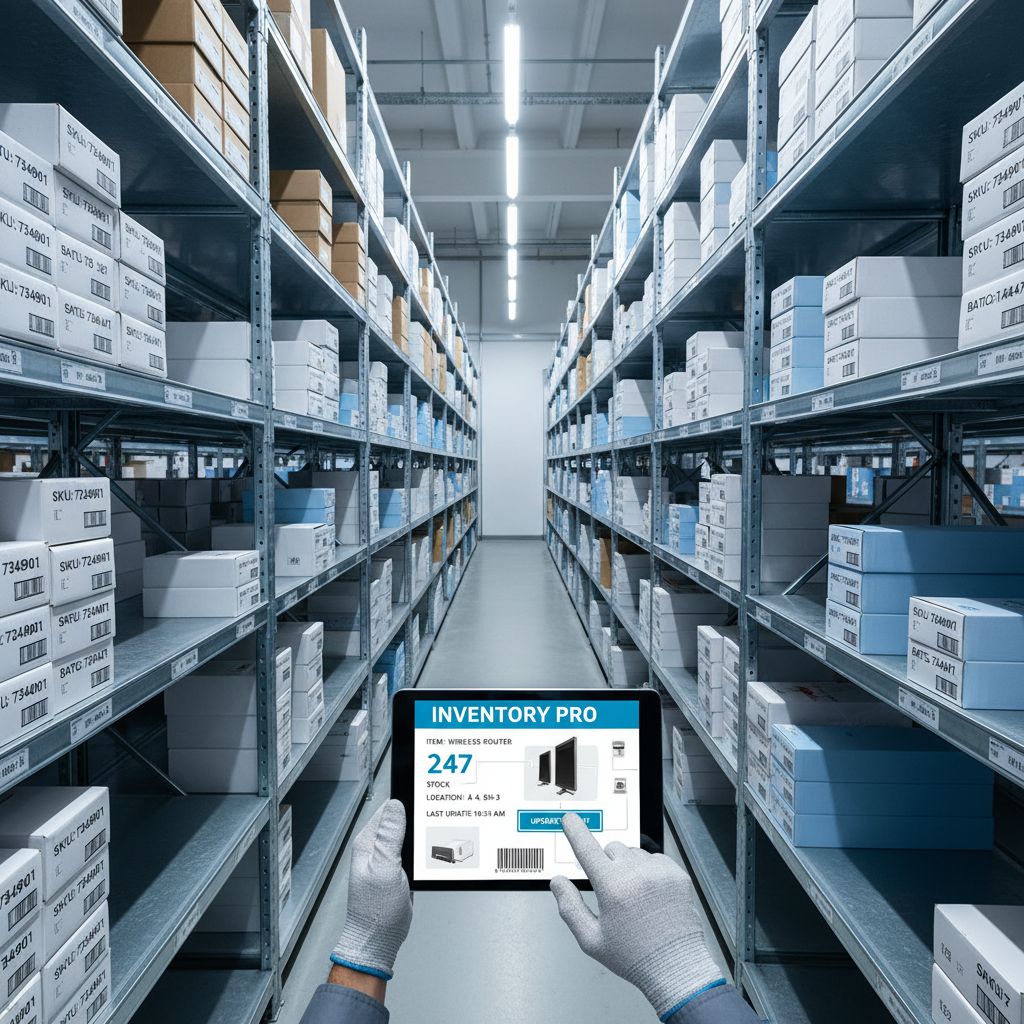
Optimizing warehouse operations is essential for managing increased volumes. Consider re-evaluating the layout to maximize space utilization and streamline the picking and packing processes. Efficient warehouse operations can significantly reduce the time taken to fulfill orders.
Investing in technology, such as warehouse management systems (WMS), can further enhance efficiency. These systems provide real-time data, improve accuracy, and facilitate better decision-making during peak times.
Streamlining Transportation and Delivery
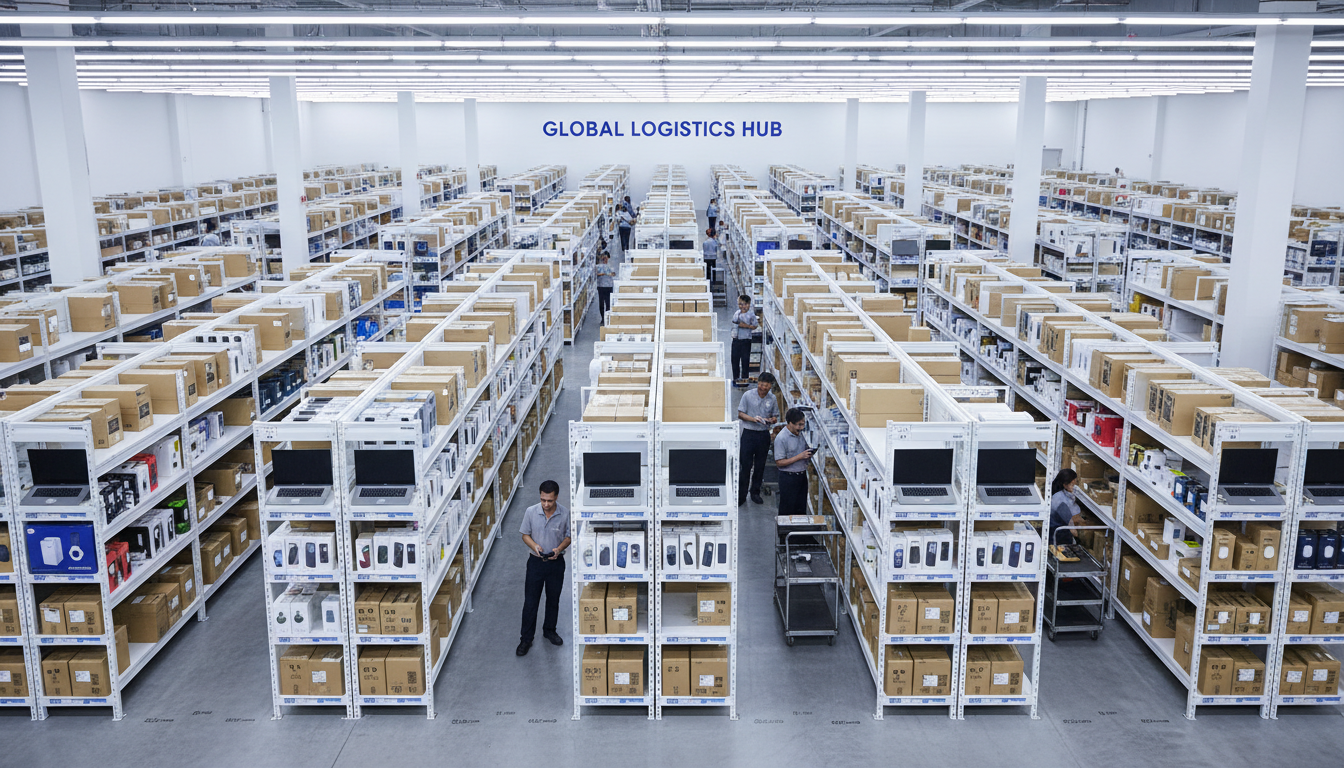
Transportation and delivery are critical components of peak season logistics. Businesses should work closely with reliable carriers to ensure on-time deliveries. It's also prudent to explore additional delivery options, such as same-day or next-day delivery services, to meet customer expectations.
Route optimization software can be a game-changer in improving delivery efficiency. By analyzing traffic patterns and delivery windows, these tools help in planning the most efficient routes, saving time and reducing costs.

Preparing Your Team for Success
A well-prepared team is vital to navigate the complexities of peak seasons. Providing training sessions and clear communication about roles and responsibilities can empower employees to perform effectively under pressure. Encouraging collaboration and feedback can also lead to innovative solutions and improvements.
Consider hiring temporary staff to manage the increased workload. Training them ahead of time ensures they are ready to contribute during the busiest periods.
Utilizing Technology for Better Outcomes
Leveraging technology can significantly enhance your logistics operations during peak times. From inventory management systems to customer relationship management (CRM) software, technology can provide the insights needed to make informed decisions quickly.
Automation tools can also ease the burden by handling repetitive tasks, allowing your team to focus on strategic activities that drive business growth.

Review and Continuous Improvement
After the peak season concludes, conducting a thorough review of your logistics operations is essential. Analyze what worked well and identify areas for improvement. Gathering feedback from customers and employees can provide valuable insights for future planning.
Continuous improvement is key to staying competitive. By refining your logistics strategies and adapting to changing demands, your business can thrive even during the most challenging peak periods.