Seasonal Strategies for Efficient Cargo Transport


Understanding Seasonal Challenges in Cargo Transport
Seasonal changes significantly impact cargo transport, influencing everything from route planning to delivery schedules. Efficient management requires an understanding of these challenges and implementing strategies that mitigate their effects. In this post, we'll explore various seasonal strategies to enhance cargo transport efficiency.
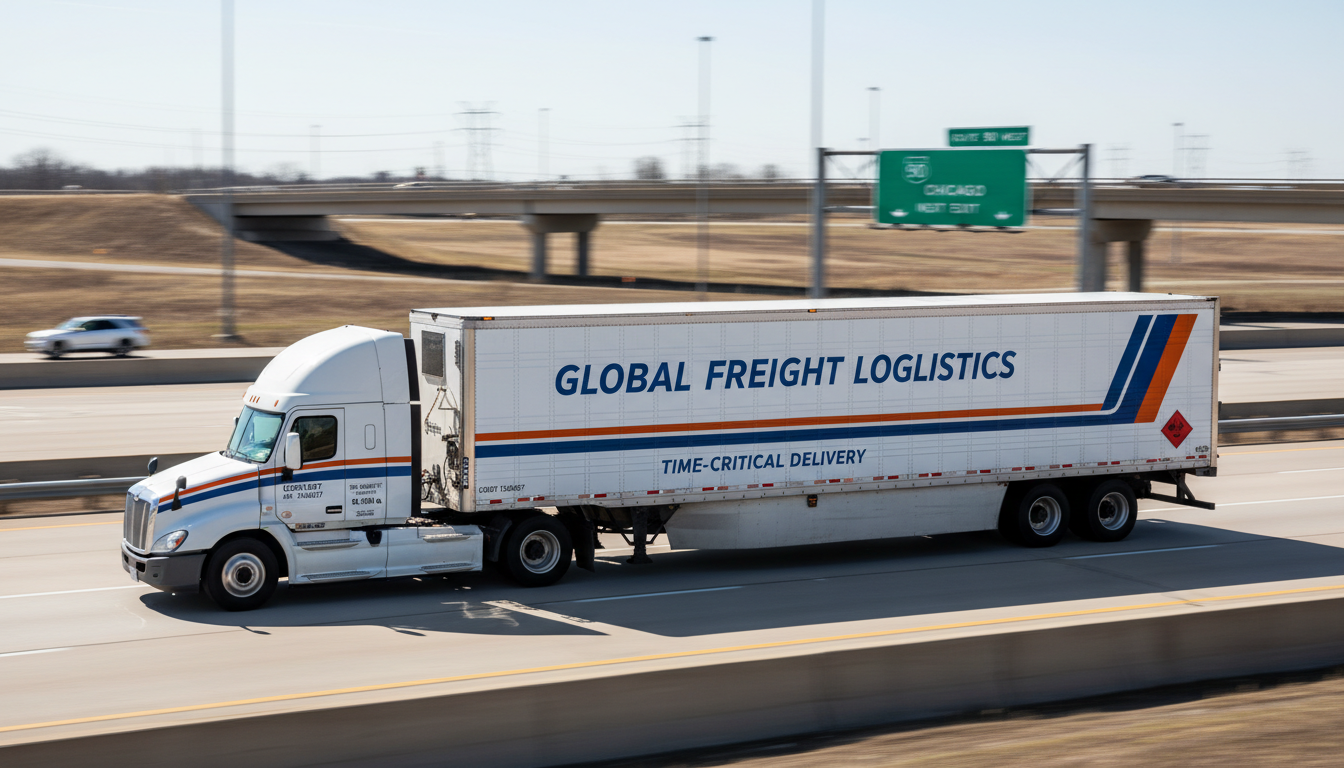
Winter Weather Considerations
Winter conditions can severely disrupt transportation routes. Snow, ice, and freezing temperatures pose risks to both safety and timeliness. To combat these challenges, it’s essential to equip vehicles with the necessary winter gear, such as snow tires and chains. Moreover, employing real-time weather monitoring systems can help in adapting routes promptly, ensuring safer and more reliable deliveries.
Another crucial strategy is planning for potential delays. Building extra time into schedules can accommodate unexpected slowdowns caused by inclement weather. Maintaining open communication with clients about these potential delays can also help manage expectations.
Spring and Flooding Risks
Spring often brings challenges such as flooding, which can obstruct roads and delay shipments. To address this, transport companies should identify flood-prone areas in their routes and establish alternative pathways. Regular training for drivers on navigating wet and flooded roads can further minimize risks.

Additionally, maintaining an updated inventory of goods and supplies can prevent shortages in case of delayed shipments. Leveraging technology, such as GPS tracking and route optimization software, can greatly assist in avoiding flood-affected areas, ensuring more efficient deliveries.
Summer Heat Management
High temperatures in summer can affect both vehicles and cargo, particularly perishables. To combat this, ensuring that vehicles have efficient cooling systems is vital. Regular maintenance checks can prevent overheating issues, reducing the risk of breakdowns.
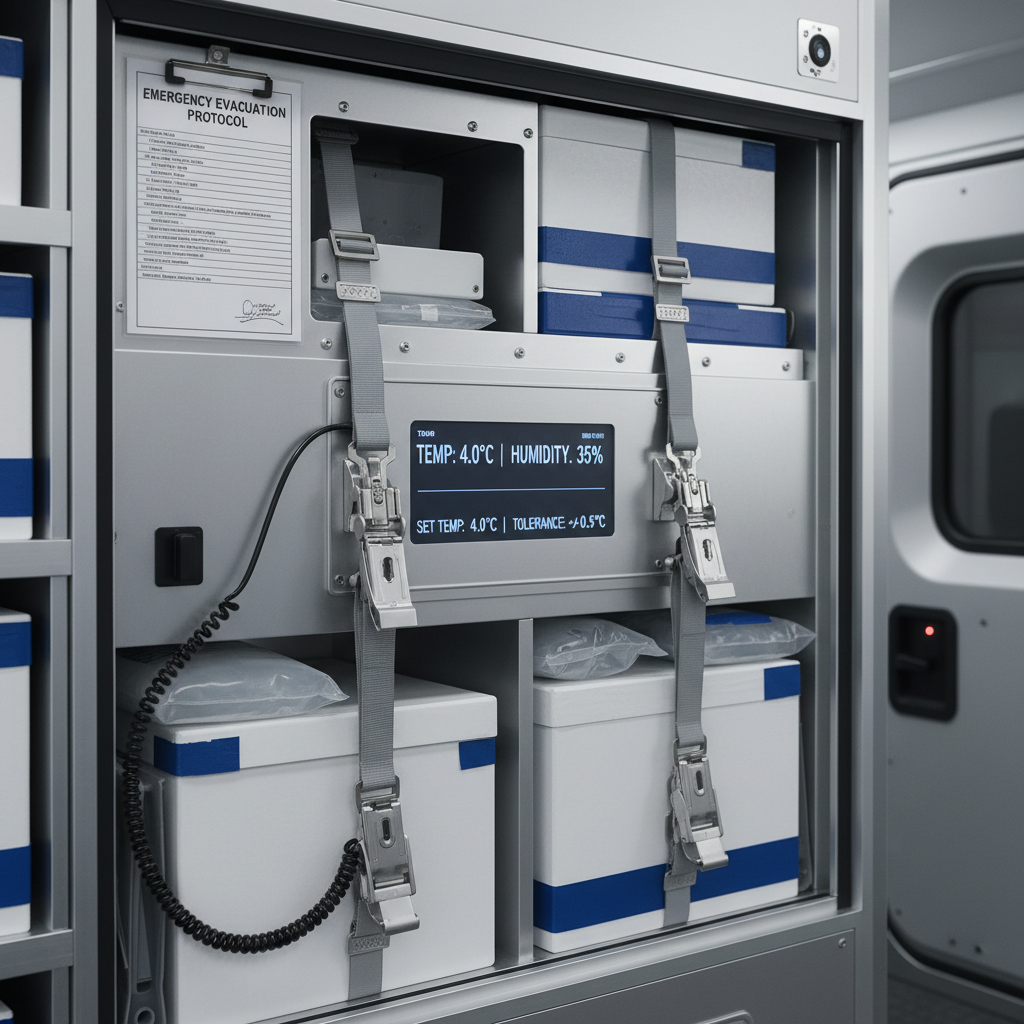
For perishable goods, investing in refrigerated transport is crucial. Companies should also consider scheduling deliveries during cooler parts of the day, such as early morning or late evening, to avoid peak temperature periods.
Autumn and Navigating Harvest Season
Autumn is often marked by the harvest season, leading to increased demand for cargo transport. Efficient scheduling and planning become critical to manage the higher volume of goods. Collaborating with clients to forecast demand can help in optimizing fleet usage and preventing bottlenecks.
Moreover, autumn can bring unpredictable weather patterns. Staying informed about weather forecasts and having contingency plans in place can ensure uninterrupted operations. This season also offers a chance to reassess and prepare for the upcoming winter challenges.
Implementing Technology for Year-Round Efficiency
Technological advancements play a pivotal role in enhancing cargo transport efficiency across all seasons. Utilizing data analytics can provide insights into optimal routing and scheduling, minimizing the impact of seasonal disruptions.
Investing in smart logistics solutions, such as automated inventory management and digital communication platforms, can streamline operations and improve response times to unforeseen challenges. By embracing technology, companies can maintain a competitive edge and ensure reliable service throughout the year.