
The Evolution of Cargo Handling: Innovations in Efficiency


The Evolution of Cargo Handling: Innovations in Efficiency
Cargo handling has undergone a remarkable transformation over the years, driven by advanced technologies and innovative strategies. These developments have not only enhanced efficiency but also revolutionized the global logistics industry. From traditional methods to modern automated systems, the evolution of cargo handling reflects the growing need for speed, accuracy, and sustainability.

Traditional Cargo Handling Methods
Initially, cargo handling relied heavily on manual labor. Workers would load and unload goods using simple tools and equipment. This process was time-consuming and prone to human error. However, it laid the groundwork for future advancements, highlighting the need for more efficient solutions.
As trade expanded, so did the complexity of cargo operations. The introduction of forklifts and basic conveyor systems marked a significant shift from manual to mechanized methods, speeding up the process and reducing the physical strain on workers.
Automation and Technological Advancements
In recent decades, automation has become a cornerstone of modern cargo handling. Robotics and automated guided vehicles (AGVs) have revolutionized the way goods are moved within warehouses and ports. These technologies not only enhance speed but also improve accuracy, ensuring goods are handled with care.
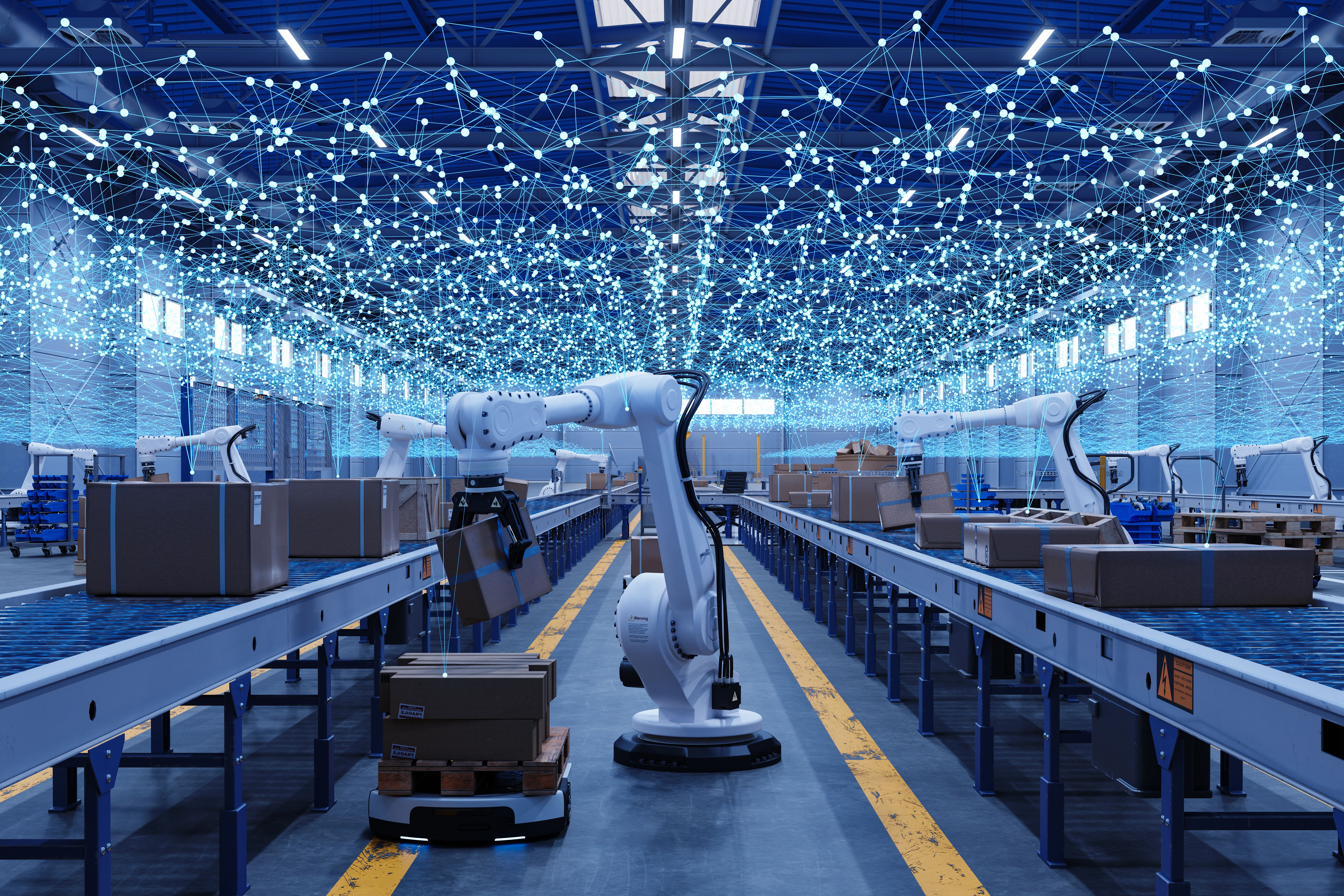
Moreover, the integration of artificial intelligence (AI) and machine learning in cargo handling systems allows for predictive analytics, optimizing routes and reducing delays. These technologies contribute to a more streamlined and efficient supply chain.
Innovations in Containerization
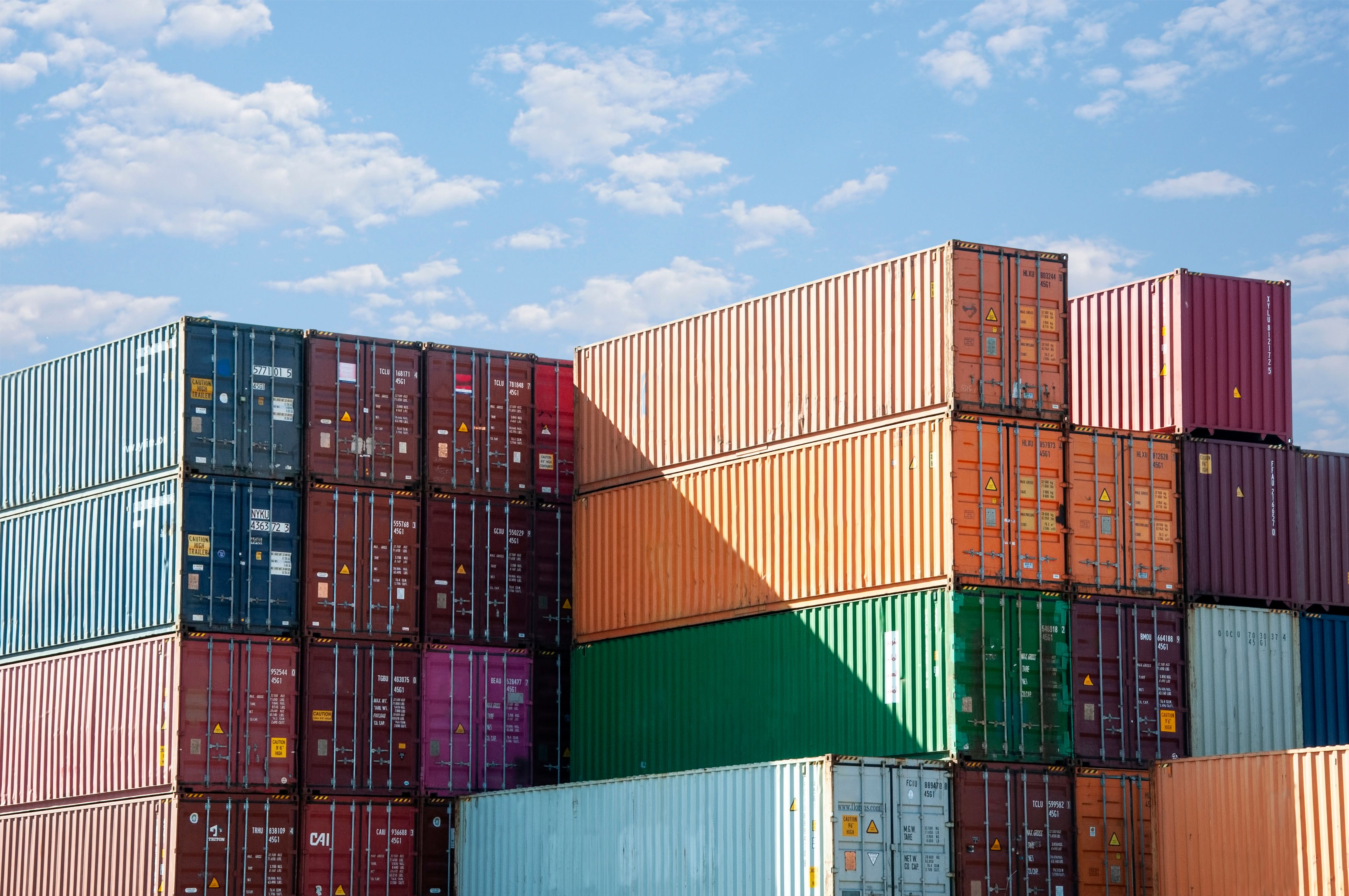
Containerization has been another game-changer in cargo handling. The standardization of containers has simplified the loading and unloading process, making it faster and more cost-effective. Containers protect goods from damage and theft, ensuring safe transport across long distances.
Additionally, smart containers equipped with IoT (Internet of Things) technology provide real-time tracking and monitoring, allowing for better inventory management and improved security. This innovation has significantly enhanced the transparency and reliability of cargo operations.
Sustainability in Cargo Handling
As environmental concerns grow, the cargo handling industry is also focusing on sustainability. Innovations such as electric-powered machinery and eco-friendly packaging are reducing the carbon footprint of logistics operations. Ports and warehouses are increasingly adopting green practices to minimize their environmental impact.
Furthermore, digitalization plays a pivotal role in enhancing sustainability. Cloud-based platforms and paperless documentation reduce waste and streamline operations, contributing to a more sustainable supply chain.
The Future of Cargo Handling
Looking forward, the cargo handling industry continues to evolve. The integration of blockchain technology promises to improve transparency and security in supply chains. Drones and autonomous vehicles are being tested for last-mile delivery, offering faster and more efficient solutions.
As technology advances, the potential for innovation in cargo handling is limitless. Embracing these changes will be crucial for businesses aiming to stay competitive in the global market. The future of cargo handling is not just about efficiency; it's about creating a resilient, sustainable, and technologically advanced logistics ecosystem.