
The Ultimate Guide to Intermodal Logistics: What You Need to Know


Understanding Intermodal Logistics
Intermodal logistics involves the transportation of goods using multiple modes of transport, such as trucks, trains, and ships, without handling the goods themselves when changing modes. This efficient method is popular for long-distance freight transport, offering cost-effective and environmentally friendly solutions.

The Basics of Intermodal Transport
At its core, intermodal transport relies on standardized containers that can be easily transferred between different transportation modes. These containers streamline the process and reduce the risk of damage and delays. The key is seamless coordination between carriers and logistics providers to ensure smooth transitions.
Advantages of Intermodal Logistics
Intermodal logistics offers several advantages. Firstly, it reduces transportation costs by optimizing routes and leveraging the strengths of each mode of transport. Secondly, it significantly lowers the environmental impact by minimizing fuel consumption and emissions. Lastly, it enhances reliability and security, as standardized containers provide better protection for goods.
Key Components of Intermodal Logistics
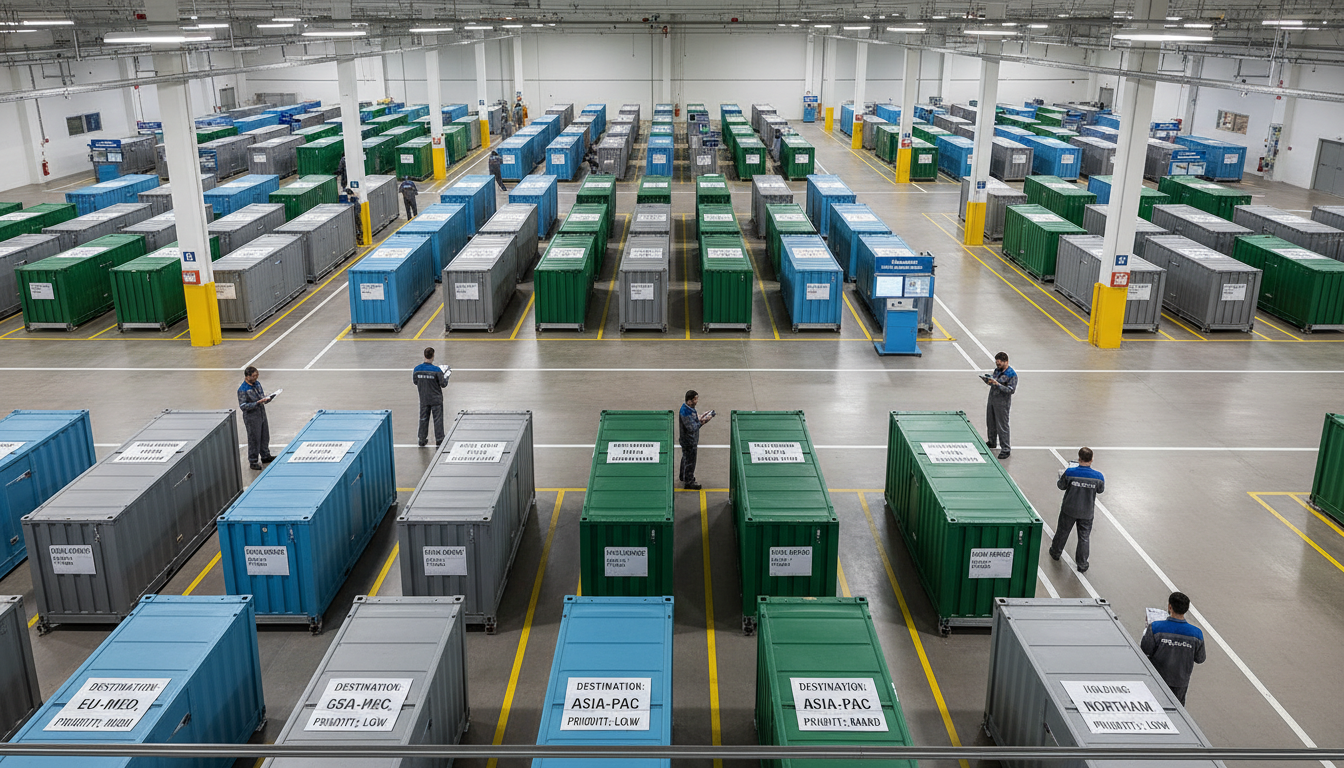
Effective intermodal logistics relies on several key components. These include intermodal terminals, which serve as hubs for transferring containers; a robust network of railroads, shipping lines, and trucking services; and cutting-edge technology for tracking and communication.
The Role of Technology
Technology plays a vital role in modern intermodal logistics. Advanced tracking systems and real-time data analytics enable companies to monitor shipments, optimize routes, and make informed decisions. This technology-driven approach enhances efficiency and reduces the likelihood of delays.

Challenges in Intermodal Logistics
Despite its benefits, intermodal logistics presents several challenges. Coordination between different carriers can be complex, requiring meticulous planning and communication. Additionally, infrastructure limitations and regulatory differences across regions can pose obstacles to seamless operations.
Best Practices for Successful Intermodal Logistics
To maximize the benefits of intermodal logistics, businesses should follow certain best practices. These include:
- Establishing strong partnerships with reliable carriers and logistics providers.
- Utilizing technology for real-time tracking and data-driven decision-making.
- Continuously reviewing and optimizing routes and processes.
By adhering to these practices, companies can ensure efficient, cost-effective, and sustainable intermodal logistics operations.

Future Trends in Intermodal Logistics
The future of intermodal logistics looks promising, with emerging trends set to shape the industry. Innovations such as autonomous vehicles, blockchain technology for secure transactions, and increased focus on sustainability are expected to drive growth and efficiency.
As businesses continue to expand globally, intermodal logistics will play an increasingly critical role in ensuring the smooth movement of goods across borders. Embracing these trends will be essential for companies looking to stay competitive in the ever-evolving logistics landscape.