
Top Challenges in Warehousing and Distribution and How to Overcome Them


Understanding the Complexities of Warehousing and Distribution
In today's global market, effective warehousing and distribution are critical to a business's success. However, these areas are fraught with challenges that can hinder efficiency and impact the bottom line. Addressing these challenges requires a strategic approach and the adoption of innovative solutions.
Inventory Management
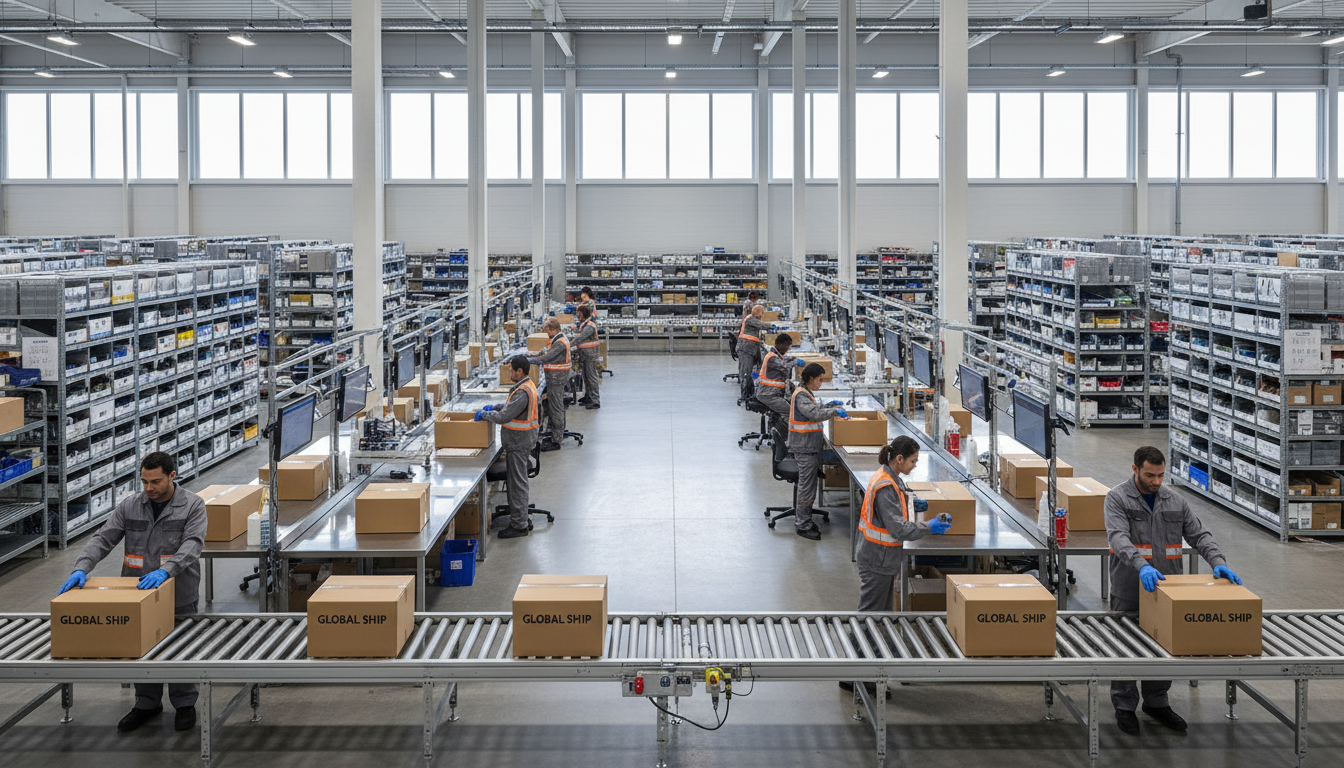
One of the most significant challenges in warehousing is managing inventory effectively. Overstocking and understocking can both lead to financial losses and customer dissatisfaction. Implementing advanced inventory management systems can help businesses maintain optimal stock levels and improve order accuracy.
Technologies such as RFID and IoT devices provide real-time data, allowing for more precise tracking and forecasting. By utilizing these tools, companies can enhance their inventory control and reduce costs associated with stock discrepancies.
Space Utilization
Maximizing warehouse space is another critical issue. Inefficient use of space can lead to increased operational costs and limit the ability to store additional products. To overcome this, businesses can adopt vertical storage solutions and automated systems to optimize space usage.
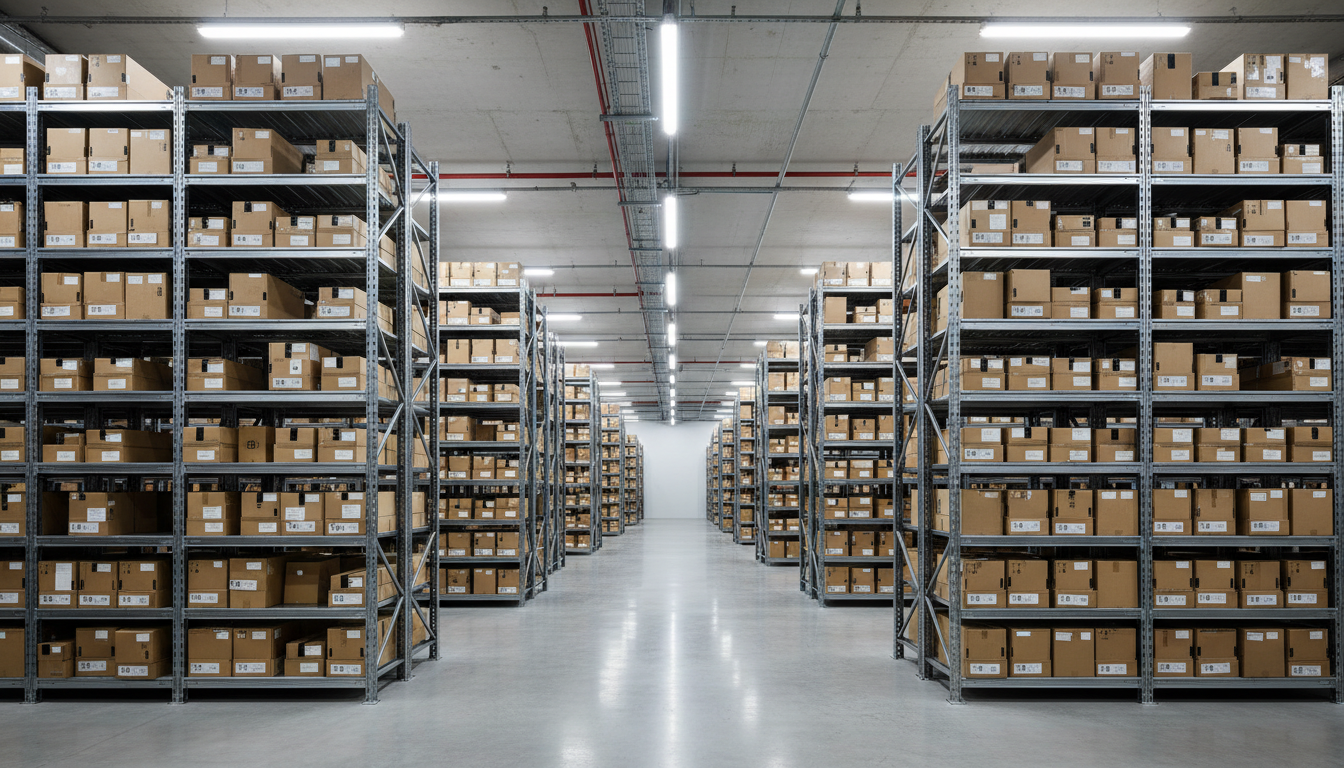
Additionally, regularly reviewing and reorganizing the warehouse layout can ensure that space is used effectively. Implementing a lean warehousing approach can also streamline operations and improve overall efficiency.
Labor Costs and Workforce Management
Labor costs are one of the most substantial expenses in warehousing and distribution. Recruiting, training, and retaining skilled workers can be challenging. Automation technologies, such as robotics and conveyor systems, can help reduce reliance on manual labor while increasing productivity.
Furthermore, investing in employee training and development can enhance workforce efficiency and job satisfaction. By fostering a positive work environment, companies can reduce turnover rates and maintain a skilled workforce.
Transportation and Logistics
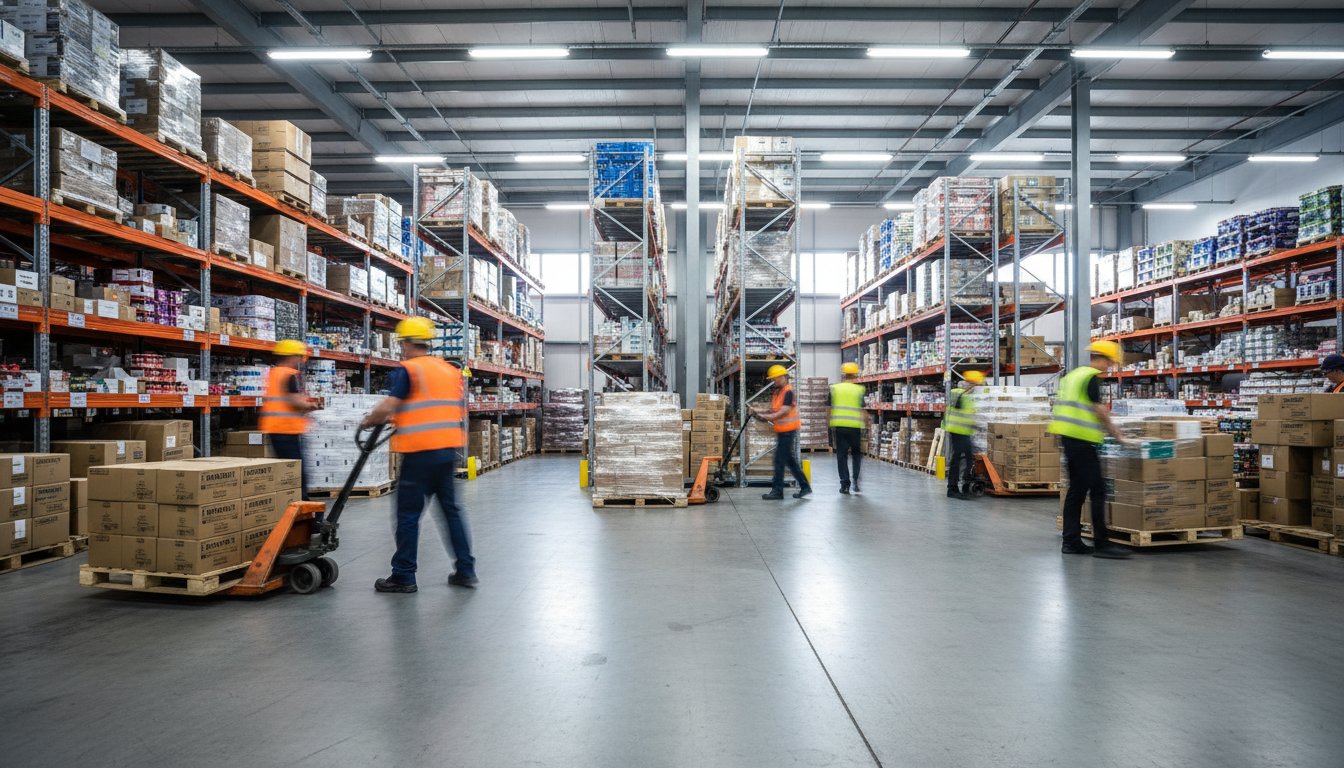
Efficient transportation is crucial for timely delivery and customer satisfaction. However, fluctuating fuel prices, regulatory changes, and logistical complexities pose significant challenges. Optimizing transportation routes and employing data analytics can enhance delivery efficiency and reduce costs.
Collaborating with reliable logistics partners and adopting flexible shipping options can also improve distribution processes. By focusing on these strategies, businesses can enhance their supply chain resilience and adaptability.
Technology Integration
Integrating new technologies into existing systems can be daunting but is essential for optimizing warehousing operations. Implementing Warehouse Management Systems (WMS) and Enterprise Resource Planning (ERP) systems can streamline processes and provide valuable insights.
Investing in technology and ensuring seamless integration can lead to improved decision-making and greater operational efficiency. Staying updated with technological advancements is crucial for maintaining a competitive edge in the industry.
In conclusion, overcoming the challenges in warehousing and distribution requires a combination of strategic planning, advanced technology adoption, and workforce optimization. By addressing these areas, businesses can improve efficiency, reduce costs, and meet customer demands effectively.