
Top Trends in Intermodal Logistics: What to Watch


Introduction to Intermodal Logistics
Intermodal logistics is a rapidly evolving field, integrating various modes of transportation to optimize supply chain efficiency. As businesses strive to meet growing consumer demands, staying updated on the latest trends in intermodal logistics is crucial. Here, we explore the top trends that are shaping the future of this industry.

Technology Integration
Automation and AI
The integration of automation and artificial intelligence is transforming intermodal logistics. AI-driven systems enhance decision-making, streamline operations, and reduce human error. Automation technologies such as robotics and drones are increasingly being used for handling and monitoring freight, significantly improving efficiency and accuracy.
Advanced Tracking Systems
Real-time tracking systems are becoming essential for intermodal logistics. These systems provide comprehensive visibility across the supply chain, enabling businesses to monitor shipments and predict potential disruptions. Implementing IoT-enabled devices ensures that all stakeholders have access to valuable data, improving overall transparency.

Sustainability Initiatives
With growing environmental concerns, sustainability has become a priority in intermodal logistics. Companies are adopting eco-friendly practices, such as utilizing electric vehicles and optimizing routes to reduce carbon footprints. Emphasizing sustainability not only meets regulatory requirements but also enhances brand reputation.
Green Infrastructure
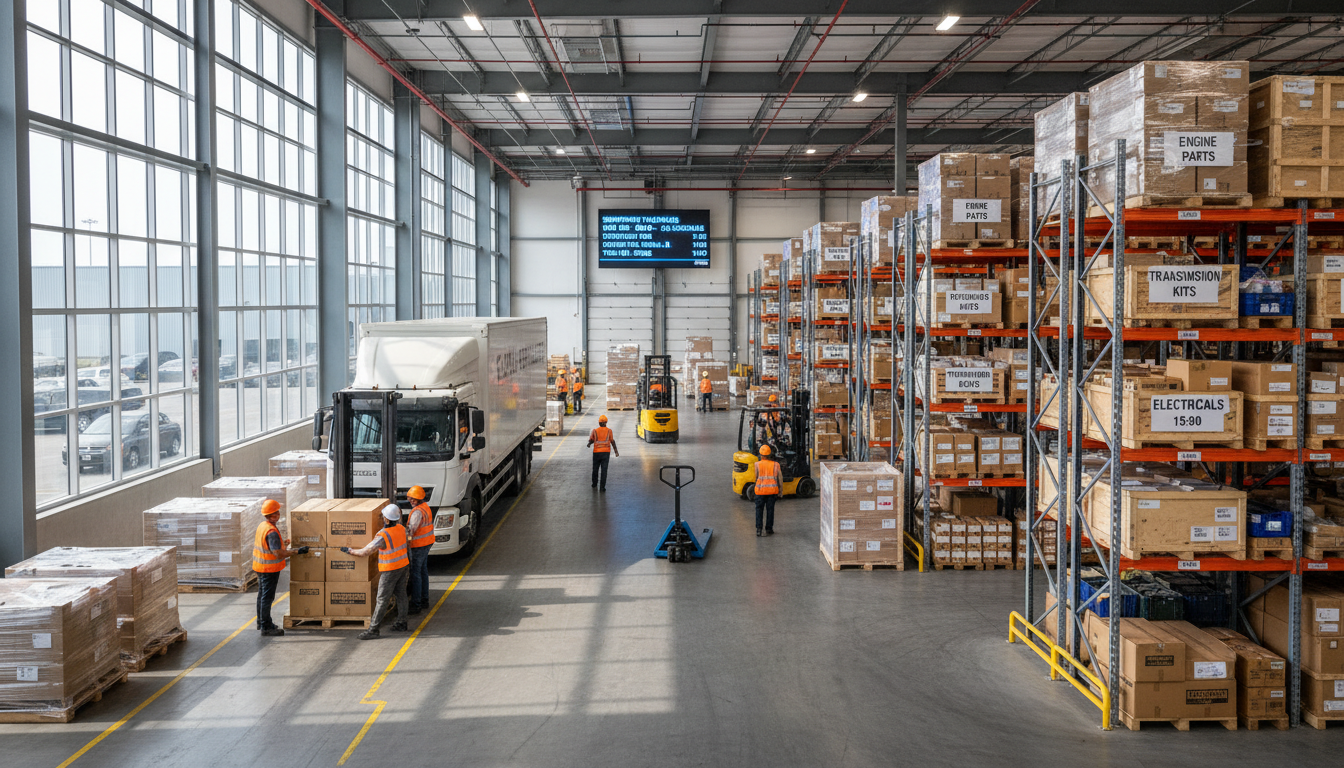
Investments in green infrastructure, such as energy-efficient terminals and warehouses, are gaining momentum. These initiatives aim to minimize environmental impacts while maximizing operational efficiency. Businesses are also exploring the use of alternative fuels and renewable energy sources to power their logistics operations.
Collaborative Platforms
Shared Resources
Collaborative logistics platforms are emerging as a popular trend, promoting the sharing of resources among different companies. By pooling resources such as transportation assets and warehousing facilities, businesses can reduce costs and improve service levels. These platforms foster a cooperative environment, driving innovation and efficiency.
Blockchain Technology
Blockchain is revolutionizing intermodal logistics by enhancing security and transparency. This technology provides a decentralized ledger that records all transactions, ensuring data integrity. With blockchain, companies can streamline documentation processes, reduce fraud, and accelerate payment cycles.

Conclusion
Intermodal logistics is undergoing significant transformation driven by technology, sustainability, and collaboration. By embracing these top trends, businesses can enhance their supply chain strategies, reduce costs, and improve customer satisfaction. Staying informed and adaptable is key to thriving in this dynamic industry.