
Understanding Drayage: A Comprehensive Guide for Importers and Exporters


What is Drayage?
Drayage is a critical component in the supply chain, involving the transportation of goods over short distances. This service is essential for moving freight containers from ports to nearby warehouses, distribution centers, or rail terminals. While it may seem like a minor part of the logistics puzzle, drayage plays a pivotal role in ensuring the seamless flow of goods.

The Importance of Drayage in Logistics
For importers and exporters, understanding drayage is crucial as it impacts the efficiency and cost-effectiveness of the supply chain. With ports being the entry and exit points for international shipments, drayage ensures that goods reach their next destination promptly. Delays in drayage can lead to increased storage costs and disrupt supply chain operations.
Drayage also helps in managing container traffic at ports, preventing congestion and facilitating smooth operations. By streamlining the movement of goods, drayage contributes to faster turnaround times and improved inventory management.

Types of Drayage Services
Drayage services vary based on the needs of the shipment. Here are some common types:
- Inter-carrier drayage: Moving containers between different carriers, such as from a truck to a rail terminal.
- Intra-carrier drayage: Movement within the same carrier, typically within a port or rail yard.
- Expedited drayage: Fast-tracking the movement of goods to meet tight deadlines.
Challenges in Drayage
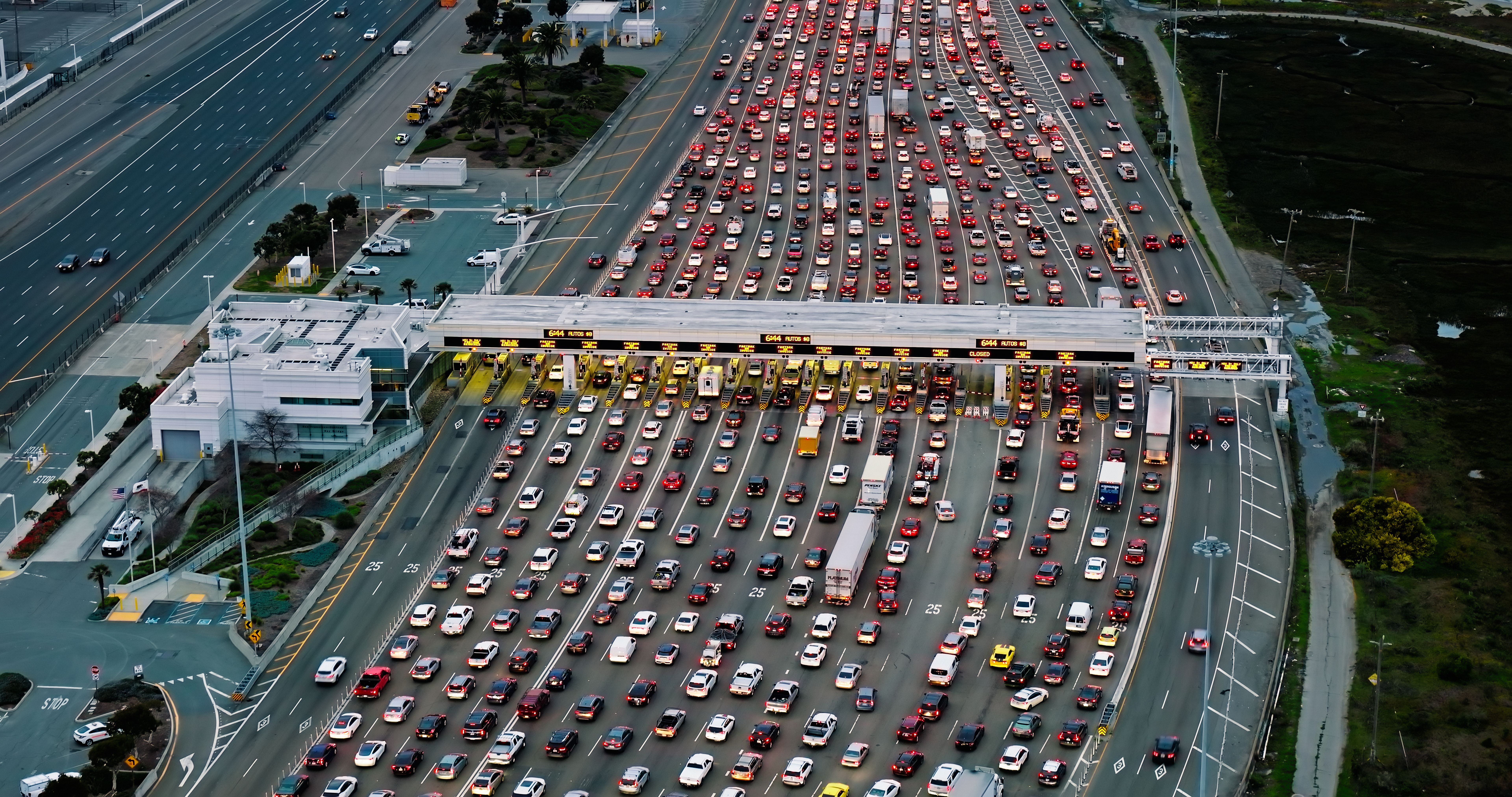
Despite its importance, drayage comes with its own set of challenges. Traffic congestion around ports, regulatory compliance, and environmental concerns are some of the issues that drayage providers face. Additionally, the availability of skilled drivers is a critical factor that can impact service levels.
Technology and Drayage
Technology is transforming the drayage industry, offering solutions to many of its challenges. From real-time tracking of shipments to automated scheduling systems, technology is enhancing the efficiency of drayage operations. These innovations help reduce wait times, improve route planning, and minimize the environmental impact of drayage activities.
For businesses, investing in technology-driven drayage solutions can lead to significant cost savings and improved operational efficiency. By leveraging data analytics, companies can optimize their supply chain and make informed decisions.
Choosing the Right Drayage Partner
When selecting a drayage provider, importers and exporters should consider several factors. A reliable partner should offer a track record of timely deliveries, transparent pricing, and robust customer service. It's also beneficial to choose a provider that embraces technology and sustainability practices.
Building strong relationships with drayage providers can lead to improved service levels and greater flexibility in handling shipments. By understanding the intricacies of drayage, businesses can better navigate the complexities of global trade and enhance their competitive edge.