
Understanding Drayage: How Does Drayage Work and Its Importance in Logistics


Understanding Drayage in Logistics
Drayage is a critical component in the logistics and supply chain industry. Though often overlooked, it plays a pivotal role in ensuring that goods move seamlessly between different modes of transportation. To fully appreciate its significance, it's essential to understand what drayage entails and how it functions within the broader logistics framework.
What is Drayage?
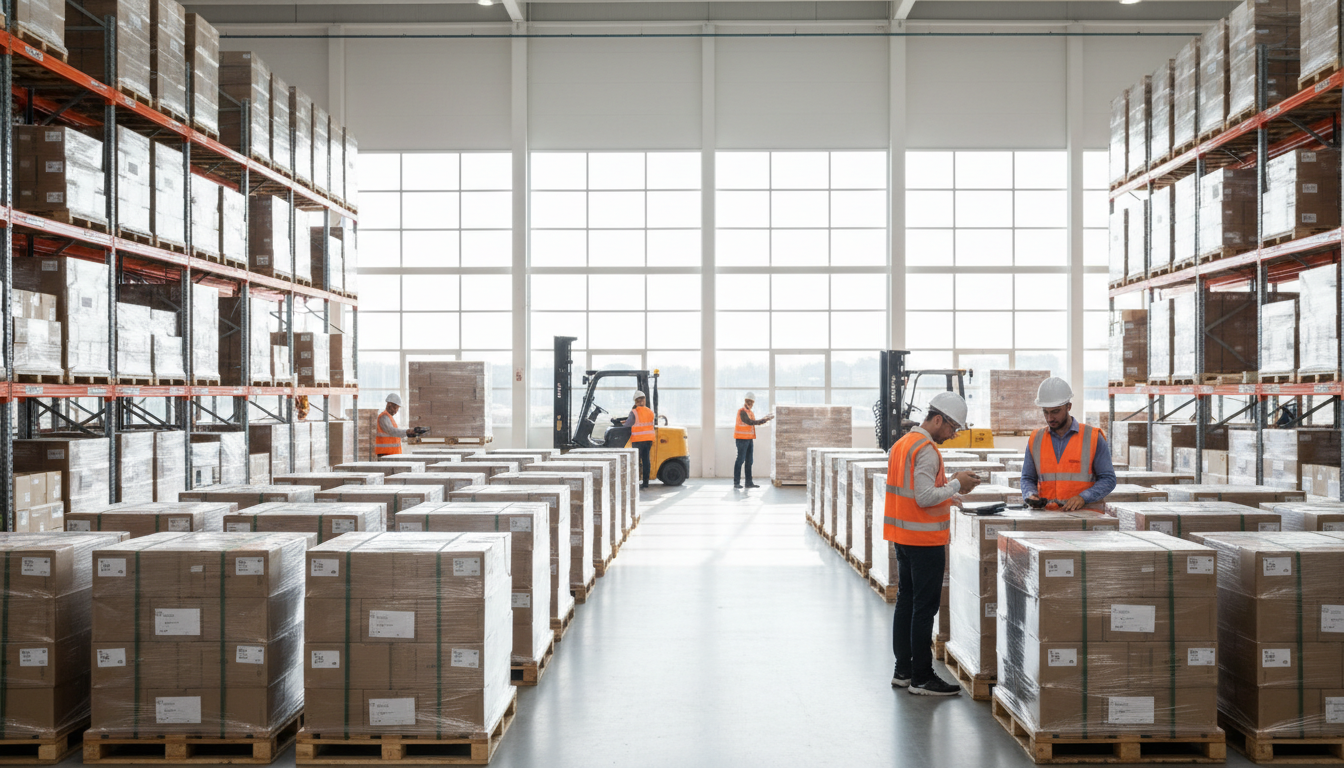
Drayage refers to the short-distance transportation of goods, typically between a port and a nearby warehouse or rail terminal. This process is crucial for moving containers from ships to land-based transportation methods such as trucks or trains. Drayage serves as the initial step in the inland movement of goods, bridging the gap between ocean shipping and overland transportation.
The term "drayage" originates from the word "dray," a type of cart used in the past for transporting goods. Today, it represents a specialized service within the logistics sector, primarily involving the use of trucks for hauling cargo over short distances.
How Does Drayage Work?
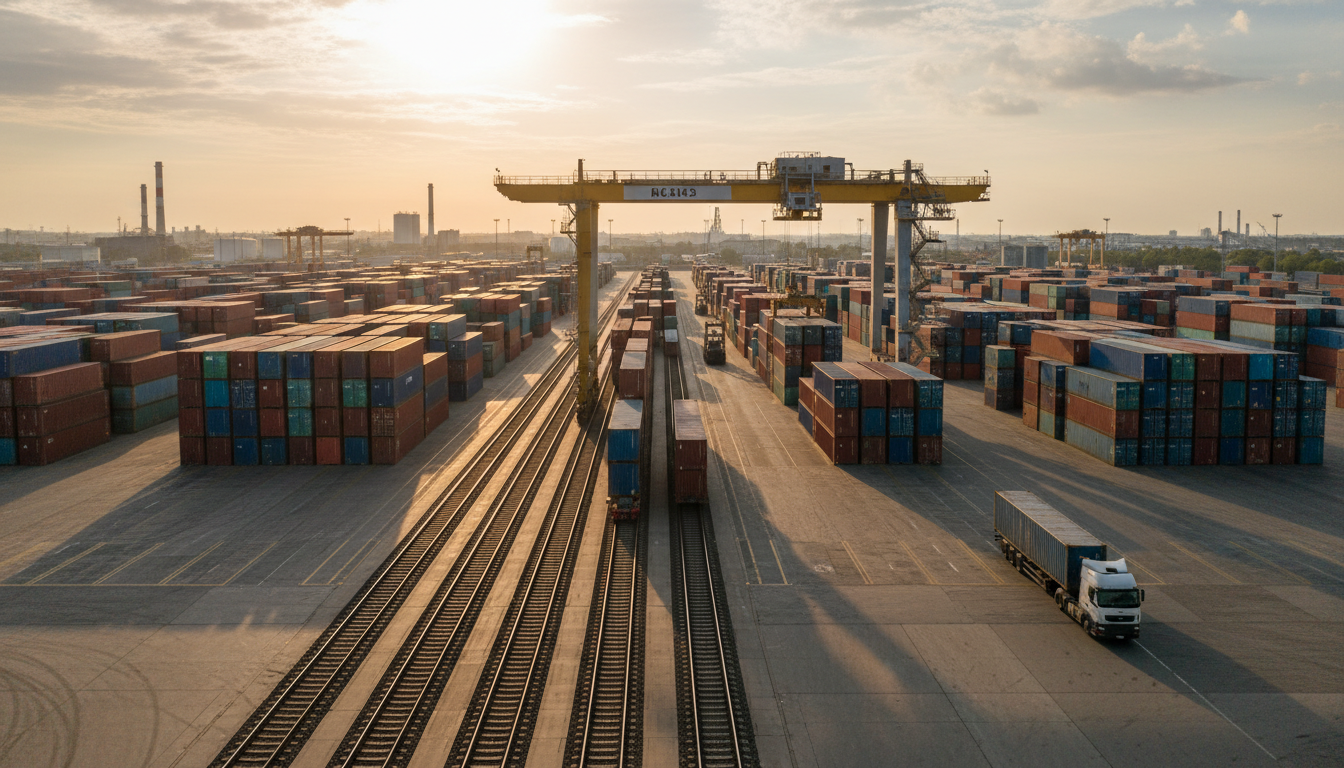
The drayage process begins when a cargo ship arrives at a port, and containers are unloaded. From there, the containers are picked up by drayage trucks and transported to their next destination, which could be a distribution center, a rail terminal, or a warehouse. This step is vital for maintaining the flow of goods and preventing delays in the supply chain.
There are several types of drayage services, each catering to specific needs within the logistics chain:
- Expedited Drayage: Used for time-sensitive shipments that require quick delivery.
- Intermodal Drayage: Involves the transportation of goods between different modes of transport, such as from a port to a rail terminal.
- Shuttle Drayage: Used for moving containers over short distances between facilities.
The Importance of Drayage in Logistics
Drayage is essential for the efficiency of the global supply chain. By facilitating the transfer of goods between different transportation modes, drayage ensures that products reach their final destinations without unnecessary delays. This process is particularly crucial in today's fast-paced market, where businesses rely on timely deliveries to meet consumer demands.
Moreover, drayage helps optimize the use of transportation resources, reducing congestion at ports and improving the overall flow of goods. By effectively coordinating the movement of containers, logistics companies can minimize costs and enhance service quality, benefiting both businesses and consumers.
Challenges in Drayage
Despite its importance, drayage faces several challenges, including traffic congestion, regulatory compliance, and environmental concerns. Ports can be busy and congested, leading to delays in the drayage process. Additionally, regulations concerning emissions and safety can impact drayage operations, requiring companies to adapt to changing standards.
To address these challenges, logistics companies are adopting new technologies and practices. Automation, real-time tracking, and improved scheduling are some of the innovations helping to streamline drayage operations and enhance efficiency.
The Future of Drayage
As the logistics industry continues to evolve, drayage will remain a vital component. The integration of technology, such as autonomous trucks and advanced data analytics, promises to revolutionize the drayage process, making it more efficient and sustainable. These advancements will enable logistics providers to better meet the demands of modern commerce.
Understanding and optimizing drayage is key to maintaining a competitive edge in the logistics sector. By recognizing its importance and addressing its challenges, companies can ensure smoother operations and improved service delivery.