
What is Intermodal Logistics? A Comprehensive Guide by Herrera Logistics


In the ever-evolving world of logistics, the term intermodal logistics frequently surfaces. But what exactly does it mean? At its core, intermodal logistics refers to the transportation of goods using multiple modes of transport. These modes typically include trucks, trains, and ships. By leveraging different transportation methods, companies can optimize efficiency, reduce costs, and minimize environmental impact.
The Basics of Intermodal Logistics
Intermodal logistics is all about flexibility and efficiency. By combining different transportation modes, businesses can take advantage of each mode's strengths. For example, while trucks provide flexibility and reach, trains and ships offer cost-effective solutions for long distances.
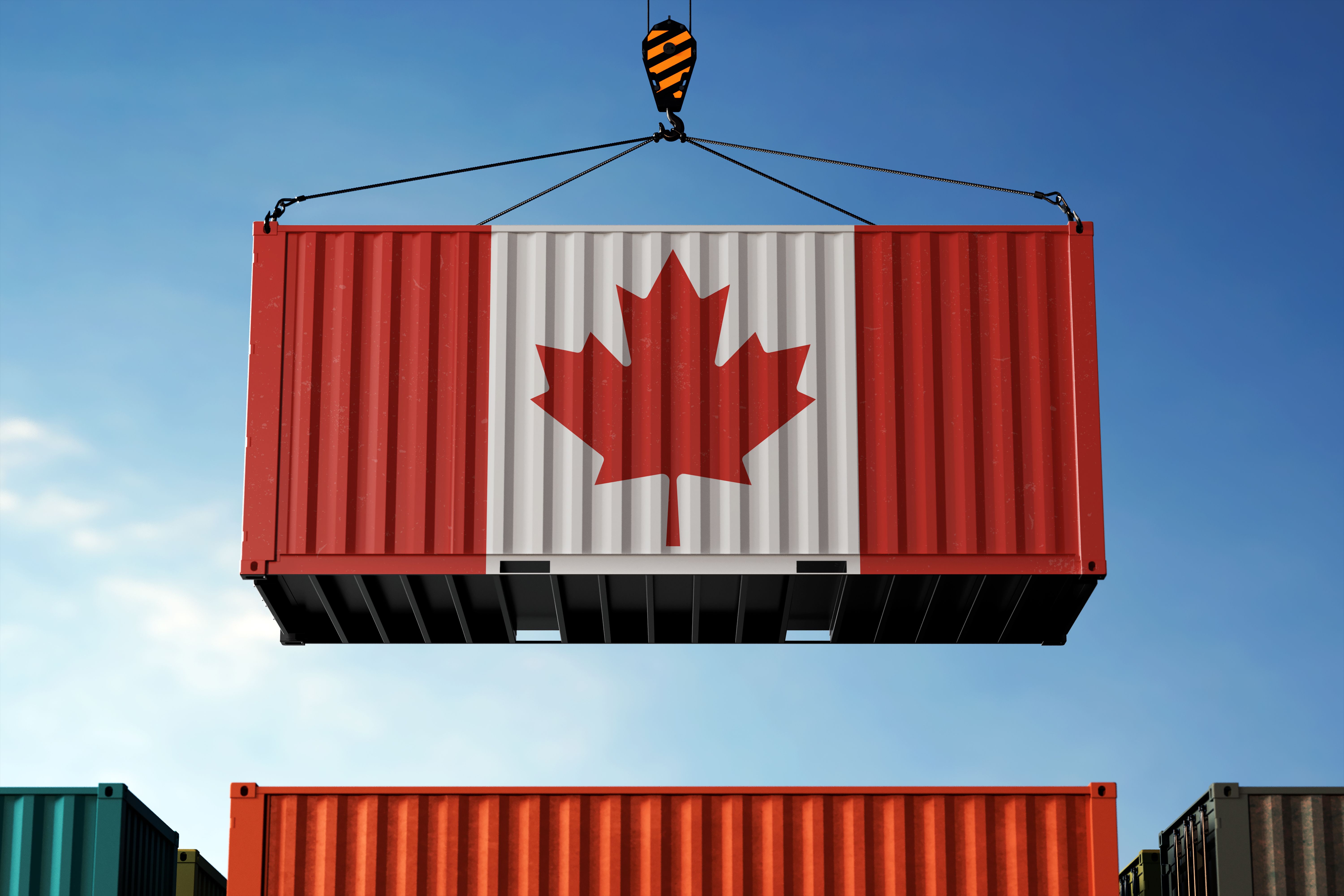
One of the key components of intermodal logistics is the use of standardized containers. These containers allow for easy transfer between different modes of transport, ensuring that goods remain secure and intact throughout their journey.
Advantages of Intermodal Logistics
Intermodal logistics offers several benefits that make it an attractive choice for businesses:
- Cost Efficiency: By using trains and ships for long-haul transport, companies can significantly reduce transportation costs.
- Environmental Benefits: Trains and ships have a lower carbon footprint compared to trucks, making intermodal logistics a more sustainable option.
- Flexibility: The combination of different transport modes allows for greater flexibility and adaptability in the supply chain.

The Role of Technology in Intermodal Logistics
Technology plays a crucial role in the success of intermodal logistics. Advanced tracking systems allow businesses to monitor their shipments in real-time, providing transparency and enhancing customer satisfaction. Additionally, technology aids in optimizing routes and schedules, ensuring that goods are delivered on time and without unnecessary delays.
Challenges in Intermodal Logistics
While intermodal logistics offers numerous advantages, it also presents some challenges. Coordination between different transport modes can be complex, requiring precise planning and communication. Additionally, infrastructure limitations and regulatory differences between regions can impact the efficiency of intermodal logistics.

Implementing Intermodal Logistics with Herrera Logistics
At Herrera Logistics, we specialize in creating tailored intermodal logistics solutions for our clients. Our team of experts works closely with businesses to understand their unique needs and develop strategies that maximize efficiency and cost-effectiveness.
By leveraging our extensive network and cutting-edge technology, we ensure that your goods are transported seamlessly across different modes, arriving at their destination on time and in perfect condition.
In conclusion, intermodal logistics is a powerful tool for businesses looking to enhance their supply chain operations. By understanding its benefits and challenges, companies can make informed decisions that drive success and sustainability in an increasingly competitive market.